
Two and a half weeks ago, I was at Goodwill trying on clothes over my workout clothes next to another lady also trying on clothes over her clothes. I remarked that it was annoying that Goodwill had closed its dressing rooms, but at least I was wearing workout clothes since I had just come from the gym, making it easier to try things on over my clothes. The lady sighed, complimented my “tiny body” and shared her admiration that I was working so hard by going to the gym. I felt so many feelings in that moment, like, “If only you knew that I haven’t always been this way.” But instead, I just smiled and thanked her.
I can’t share my weight journey with her, but I want to share it with anyone willing to read about it.
For many years, I struggled with my weight. It got especially difficult for me after I had my daughter in 2016. For some reason, I always gained 40 or more pounds with each pregnancy, even if I was working out and trying not to overeat. With the rest of my kids, though, I was able to get all or almost all the weight off before having another baby. But, not this time.
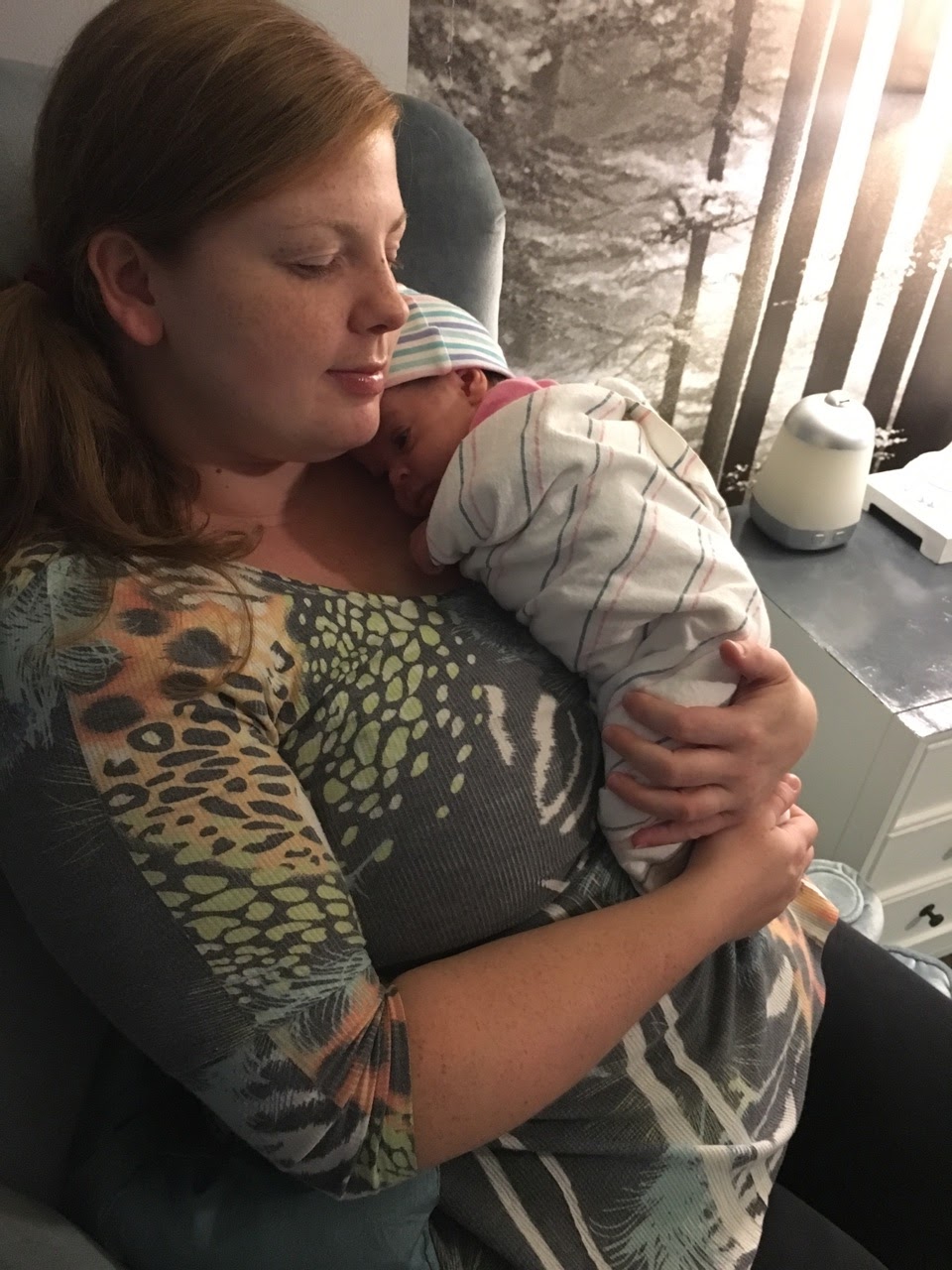
November 2016 with my sweet baby girl
In April 2018, I got really fed up with how I looked and decided to find a great weight loss/exercise program. And I did. It was called BodyFX. The workouts were high-intensity, and the routines were cardio put to ballroom/latin dance moves. The diet was strict, with nearly no sugar, carbs, or even dairy. I managed to lose 40 pounds in about 11 months, but to me, that was not nearly as much as it could have been considering my diet and the amount of high intensity working out I was doing. Then Covid hit, and with the sadness of that and not having anything else to do but sit around and eat, I stopped working hard on that program, and very quickly gained most of my weight back. I let myself be big for a few years but got sick of it again.
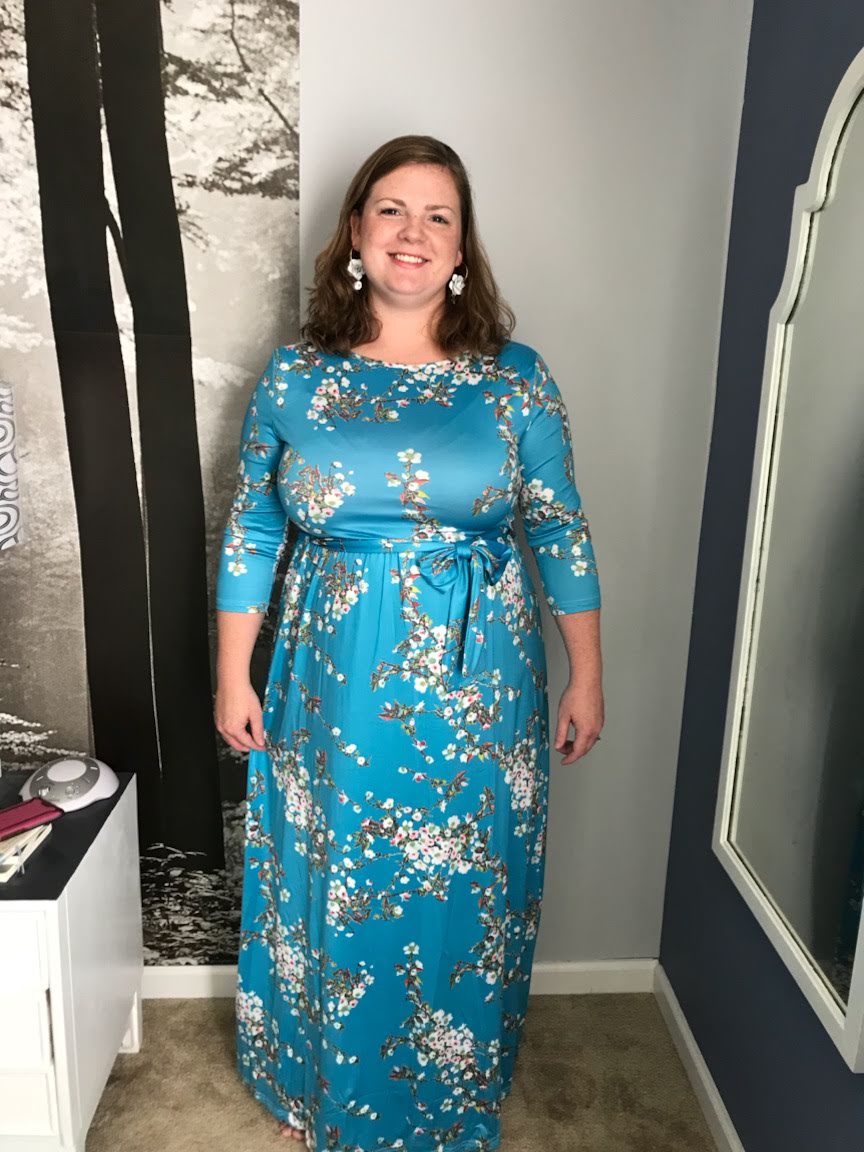
April 2018
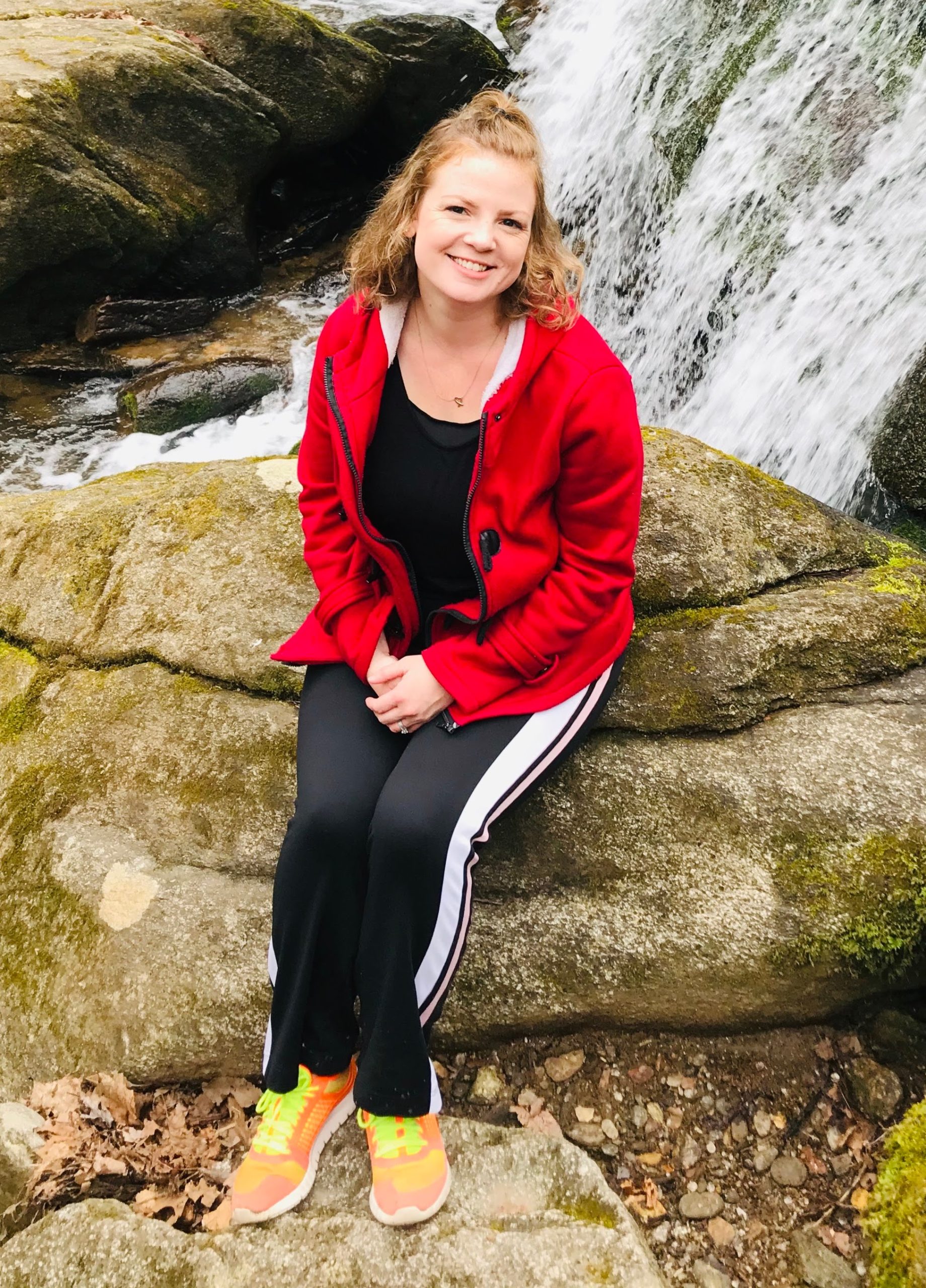
March 2020
In January 2024, almost a year after having my fifth baby, I contacted a friend who I knew had had weight loss surgery and asked her for her feedback. I told her that my weight loss and weight gain had been like a yo-yo. Being older and having five kids had made that harder. It was also hard to have willpower over food choices in a home full of people who loved to eat. I also talked to other friends who had done weight loss surgery or knew people who did.
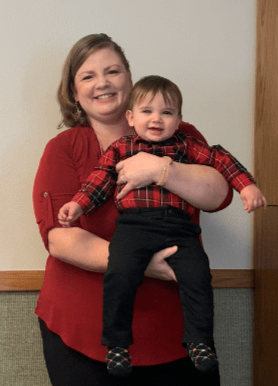
January 2024 with my baby boy
I thought it was the only real option to help me lose all my weight. But then, I found out about GLP-1 shots. I did tons of research on the virtual clinics who prescribed compounded versions of Zepbound and Wegovy. My insurance didn’t cover (still doesn’t) GLP-1s or any weight loss medication, and the compounded versions were cheaper. I decided to try the shots first since it seemed easier and less of a drastic change than surgery, which I was still a little uneasy about.
Starting at the end of March 2024, I started tirzepatide (compounded version of Zepbound) on the lowest dose. As time went on, my dose increased as my weight loss slowed down. My starting weight when I started was 267.4 pounds. In a matter of a little over 5 months, starting at 2.5 mg and moving up to 7.5mg, I lost about 28 pounds. But I just couldn’t afford the tirzepatide anymore. It had gotten more and more expensive the higher the dosage. So, I decided to start trying semaglutide (compounded version of Wegovy), which was much cheaper, even though I knew it was less effective for most people. I started the second week of September and went through the first week of February of 2025, and sadly only lost 8.5 pounds that whole time. When I just couldn’t justify the cost of the shots anymore, I stopped.
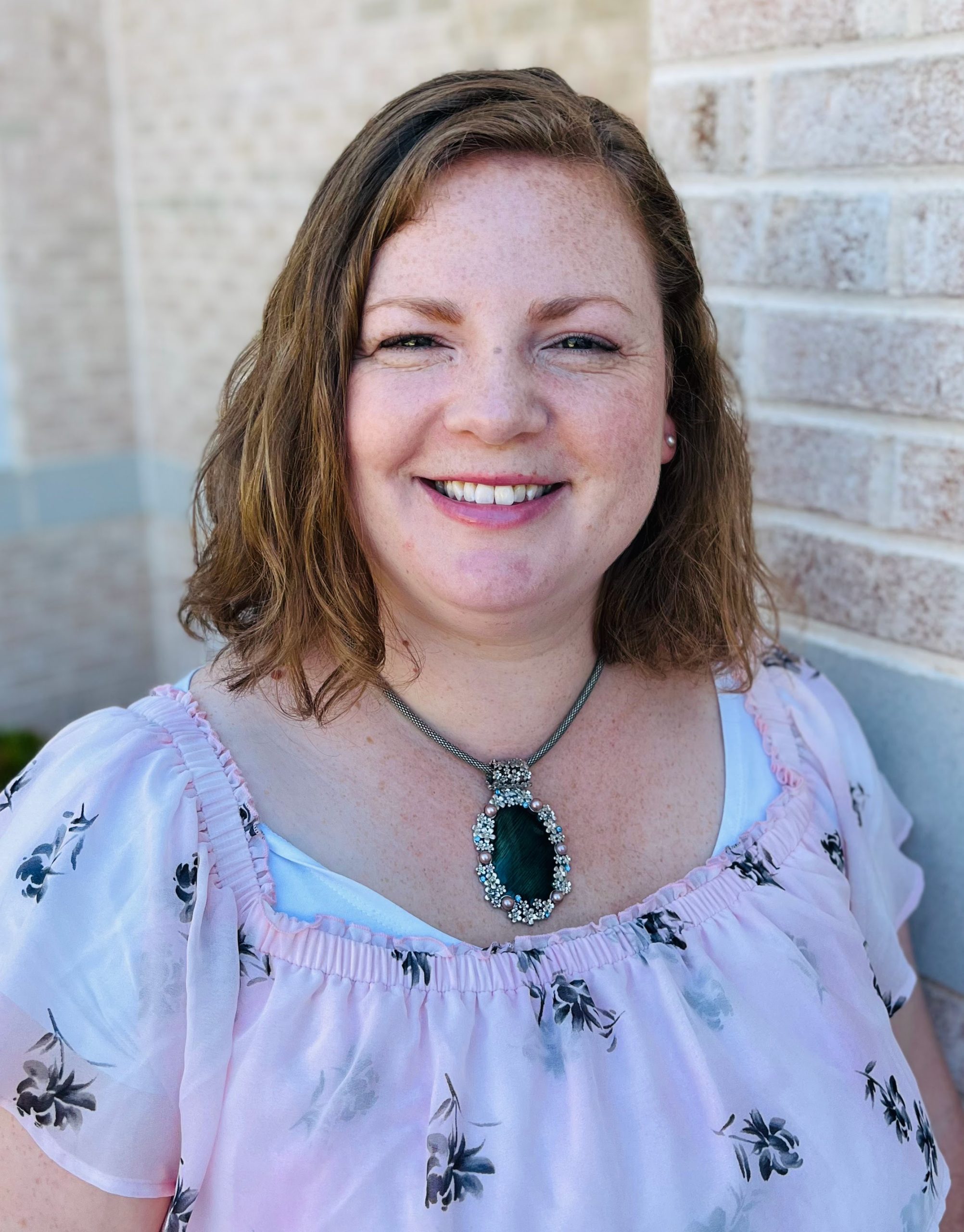
Late March 2024
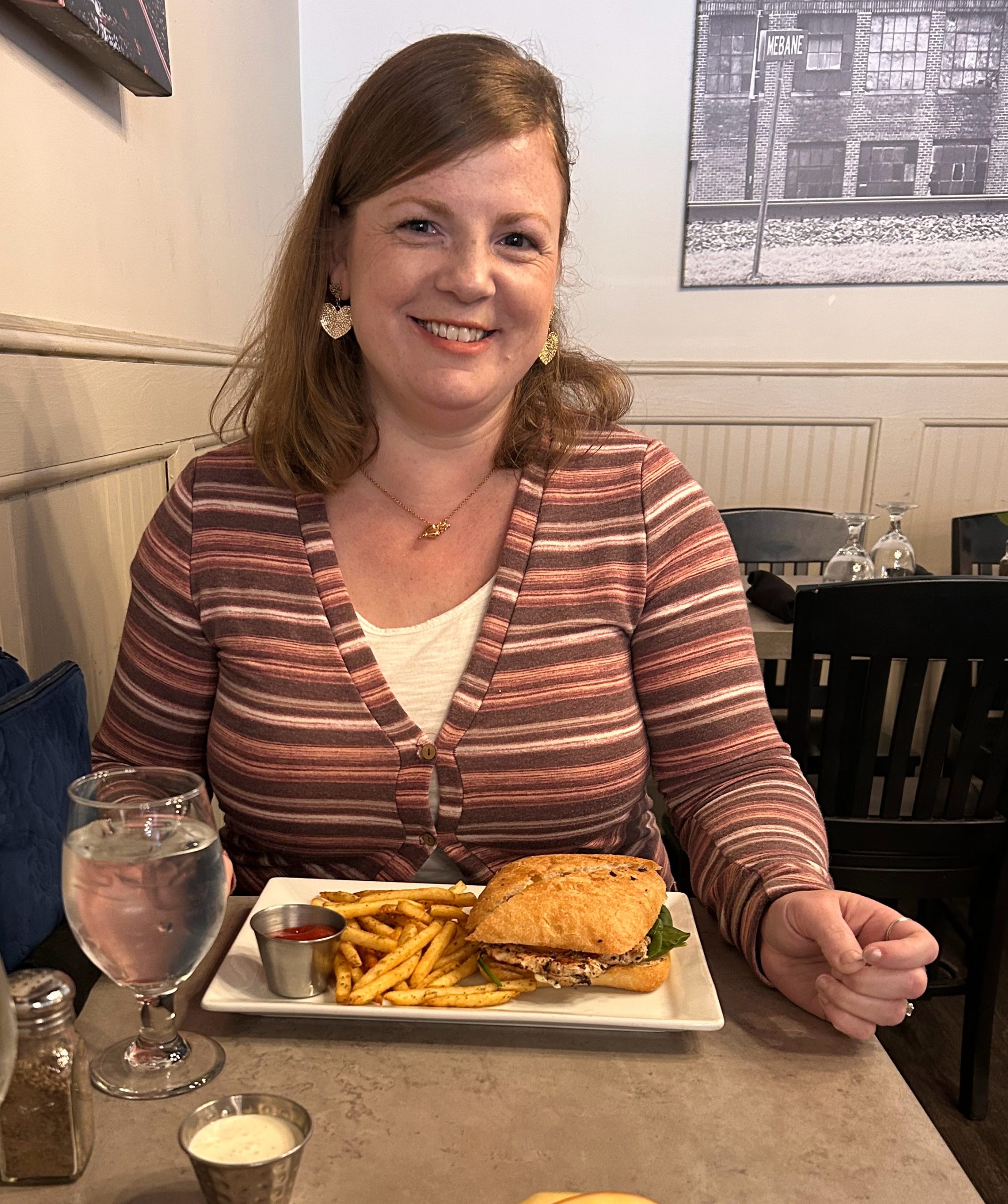
Early February 2025
**I believe that it’s easier to get the GLP-1 shots now at more consistent pricing from more places, but it’s still an expense if your insurance doesn’t cover it.
**I think that GLP-1s are a good option for a lot of people if they can afford it, and as long as they eat lots of protein and strength train as the shots can diminish muscle mass.
Sadly, without the help of the shots to curb my appetite as well as sugar cravings, the weight started to slowly creep back on. Then from April-June 2025 I went to nutrition counseling and endocrinology appointments. I was prescribed meds where the side effect was weight loss and was put on a list to maybe be in a weight loss study. None of the meds helped and I didn’t get into the study.
My body just didn’t want to lose weight and keep it off. It was so weird to me that I could eat healthy and exercise and see almost no change, but then if I caved and ate a piece of cake, the scale would skyrocket five pounds. That sounds like an exaggeration, but it was pretty accurate.
Finally, UNC referred me to their weight loss surgery program. They tried to set me up with required appointments, but oddly, my insurance wouldn’t cover some of their providers. I switched to looking into Duke and signed up for a meeting to learn more about weight loss surgery, without any expectation of actually doing it. That was in July 2025.
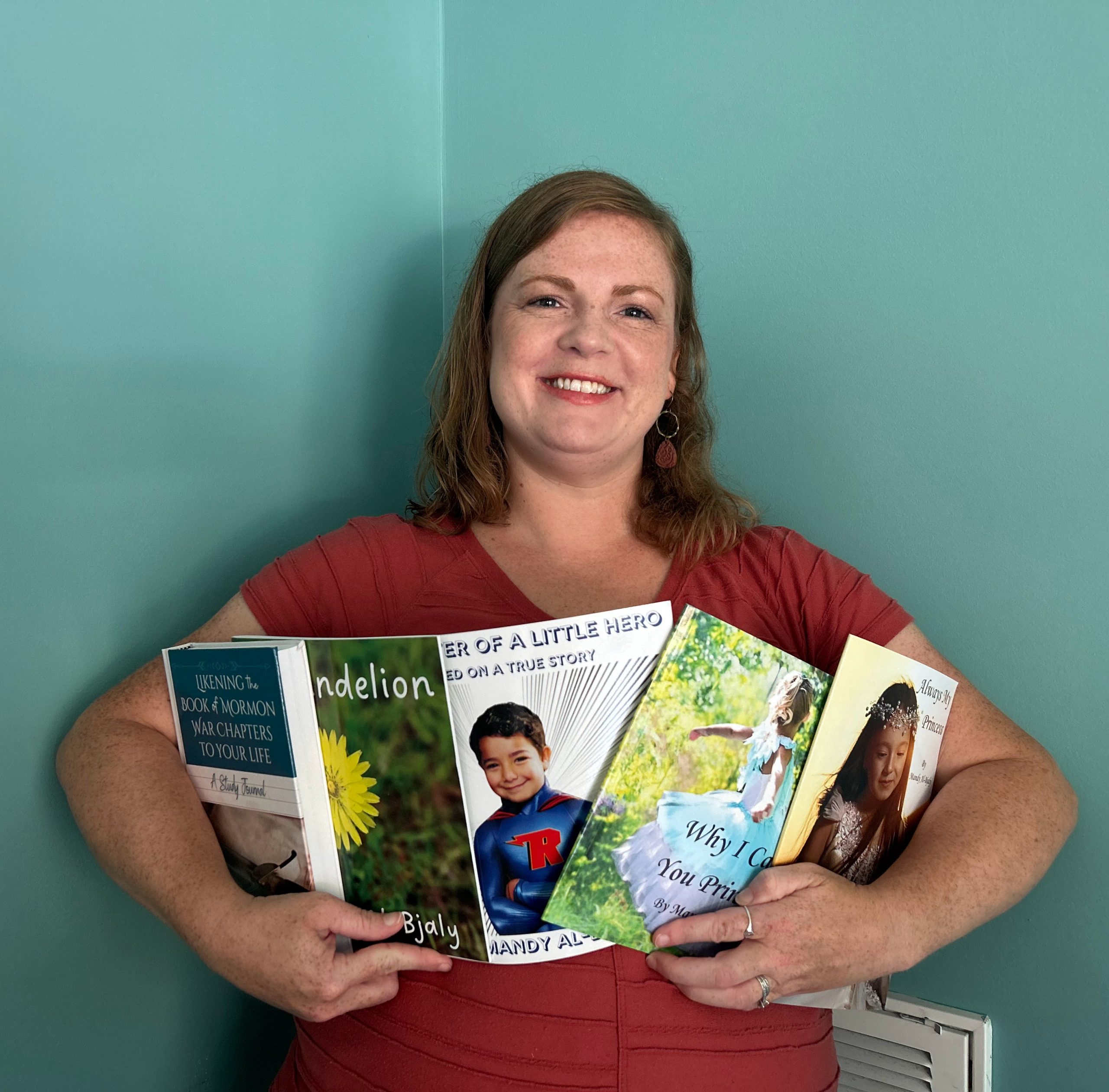
July 2025
I felt like I learned so much at that first meeting from watching videos, hearing from the nutritionist, talking about goals, etc. Learning about set point theory (which one of my friends had told me briefly about before), helped validate my experience of my body just wanting to be a certain weight regardless of how hard I tried to change it.
It felt right. I felt at ease. I decided to keep going with the process.
Every insurance company that covers bariatric surgery has different requirements for you to follow to be eligible for surgery. I had to do all of that. When speaking with my insurance about the bariatric surgery program, I asked why they cover surgery but not GLP-1s, and the lady said it is because surgery has proven to be effective at keeping weight off, whereas too many people gain their weight back after stopping the shots, resulting in most people having to take them indefinitely.
Some of the things I had to do to make sure I was eligible for surgery was bloodwork, getting an EKG, doing several weeks of meal tracking, meet with a psychologist, etc.
I also had to decide what surgery to get. I already had chosen my surgeon, Dr. Portenier, based on my friend’s recommendation. I heard different things from people about what surgery was best. Some told me not to do the gastric sleeve and do the gastric bypass. Others had done the sleeve. I ultimately decided on the sleeve after studying and praying. I didn’t have any acid reflux issues (the sleeve makes it worse) and didn’t have as much weight to lose as a lot of people (usually people lose more on the gastric bypass). I didn’t like the idea of having dumping syndrome and not taking n-saids ever again (all true with the bypass). Some people like the bypass to keep them more disciplined with eating, since eating certain foods makes you sick with the bypass, but I didn’t want to be restricted forever. For all of those reasons, I decided on the sleeve. Many others would have chosen the bypass, or perhaps another surgery based on their needs, so don’t necessarily choose what I did. It’s based on your own needs and comfort levels.
You can learn a lot more about the different surgeries, if you are eligible for surgery, and more here: https://www.dukehealth.org/treatments/weight-loss-surgery. This page is specifically for Duke patients (which I highly recommend if you are in or near NC), but it will help give you a good idea.
I ended up being eligible for the surgery. My insurance covered a lot of the cost, but with financial aid from Duke, the entire surgery was free for me. What a blessing! (If you decide to have weight loss surgery, definitely apply for financial aid even if you don’t think you will get it.)
I didn’t announce to anyone that I was getting weight loss surgery. I did end up telling friends from my playgroup because I happened to tell them I couldn’t make it one week due to having surgery , and they all (as friends do) expressed concern and support. I felt guilty getting help from anyone because I was choosing the surgery, but they were all so kind and helpful. My family also knew, but other than that, I didn’t tell anybody. I just felt a little ashamed about it. I guess I knew that in most people’s minds, weight loss surgery has a stigma. It’s the “easy way out” and why can’t people just have self-control and diet and exercise?
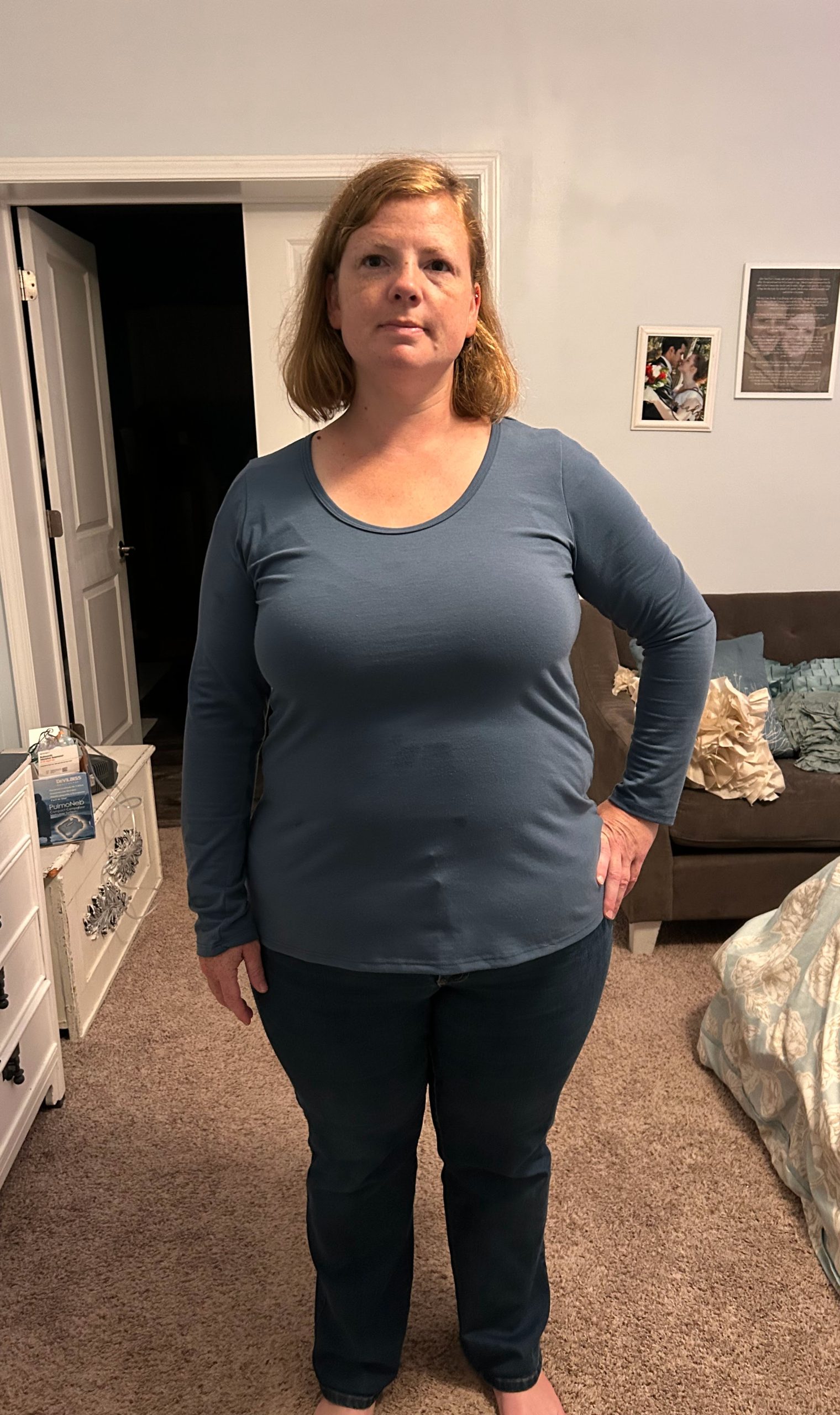
October 22, 2025, the night before surgery
But I knew I was doing the right thing for me. Jad accompanied me very early to the surgery center. I was very well taken care of. I was asked by the anesthesiologist what song I would like played for me as I went to sleep, and I chose “Golden” because my daughter loved K-Pop Demon Hunters. I remember being wheeled into the operating room, hearing a little of the song, and that’s it.
The next thing I knew, I was waking up with Jad next to me, and I was famished. There was a paper to track what I was drinking (no solids allowed) and when. There was a certain way (timing, how much of certain things) I was supposed to get nutrition, but because I was so hungry, Jad kept giving me liquids, far more than I was supposed to have. But I never threw up, so the nurse just laughed it off.
It wasn’t so bad in the hospital. I had to stay until I could walk around the hospital floor well enough. I just remember being so tired. The pain wasn’t horrible, but it was there. I had five small incisions from where the surgery was done laparoscopically, making my stomach into the size and shape of a medium banana.
I was so happy to have my family visit me that evening.
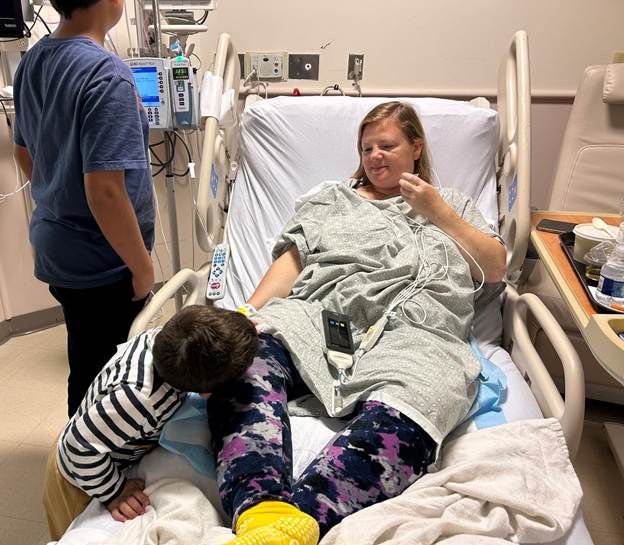
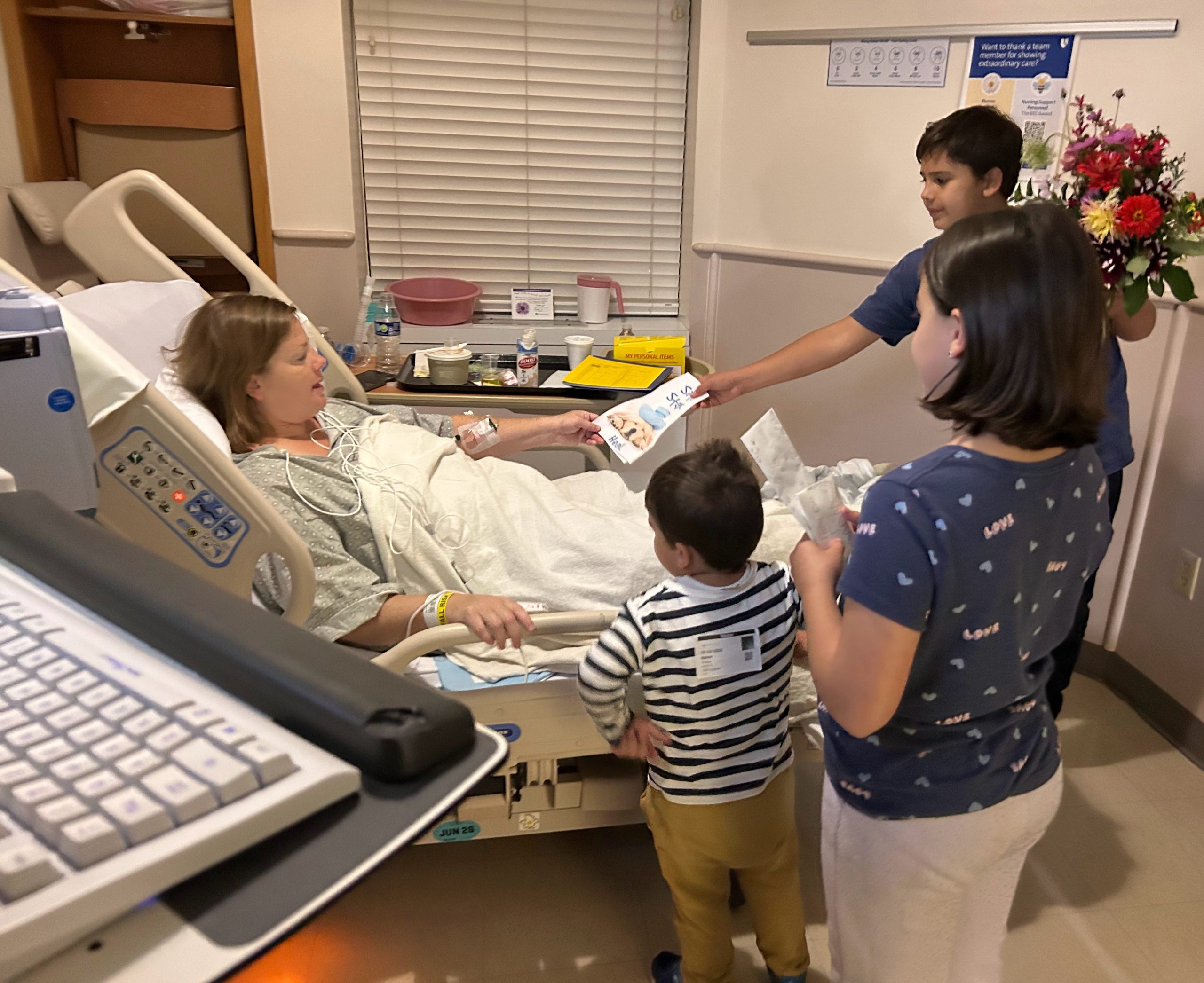
I was excited to finally go home the next evening, on October 24 (about a day and a half total of hospital time).
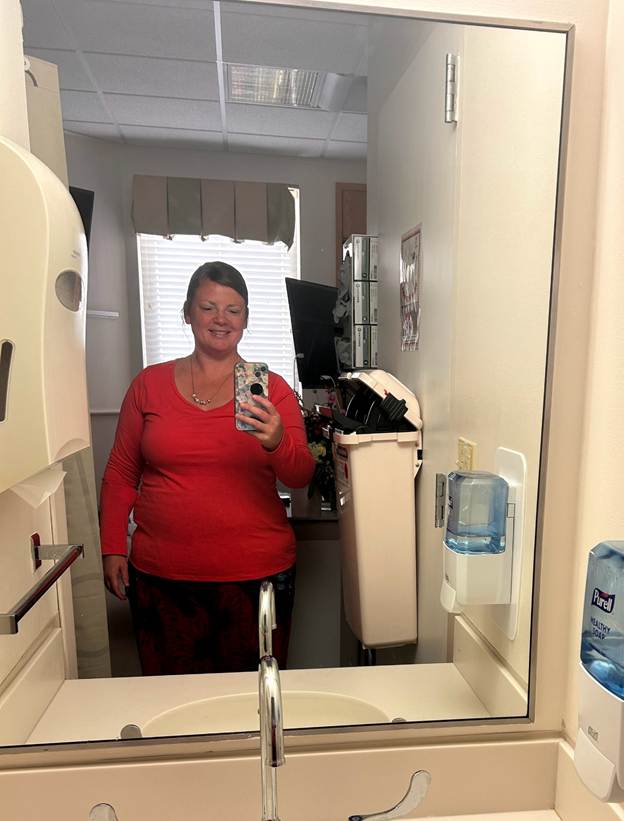
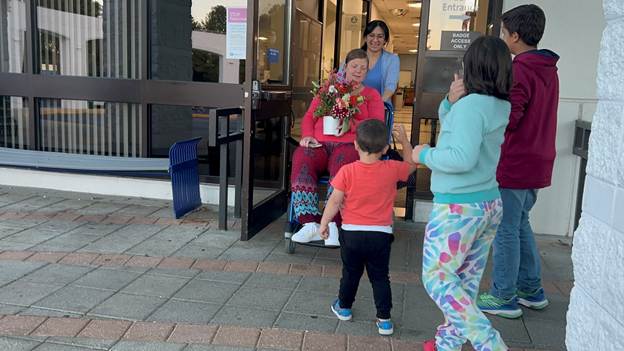
I must have been crazy because just a couple days later I was hosting my family at my daughter’s birthday party. I kept sipping on my protein drink, and I was weak, but I was okay.
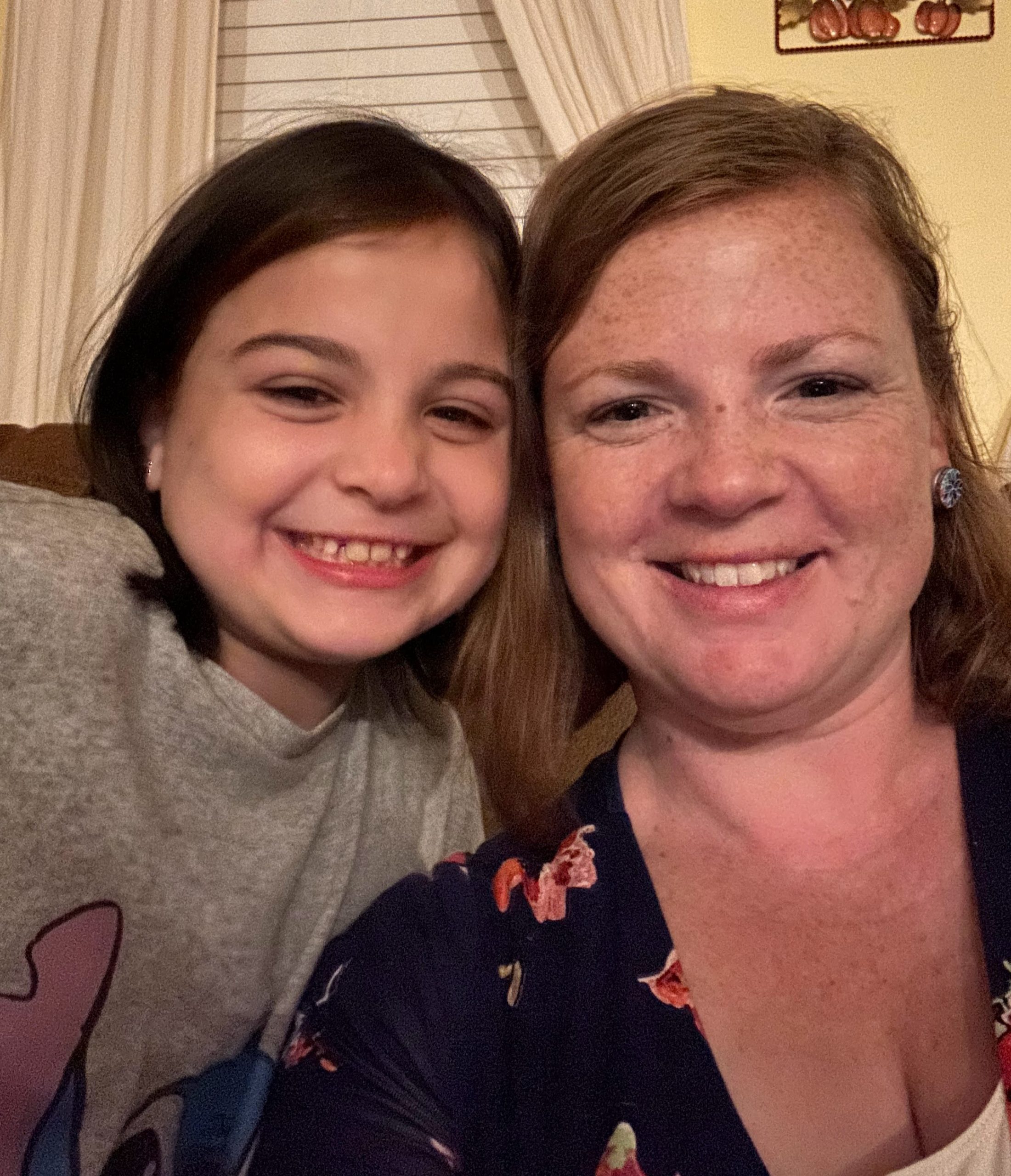
October 26, 2025
Healing from surgery wasn’t that bad, really. I couldn’t lift Asher for a while; I was tired and sometimes weak; I had some chest pains and trouble breathing occasionally; and my incisions were a little painful, but everything was manageable. Some good things to happen were me having a new appreciation for food and flavors, having more discipline, and seeing the weight come off just within the first week or two. I also really appreciated my husband’s support with everything.
I went to my toddler’s preschool trunk or treating on October 30th and went trick-or-treating with my family on the 31st, only a week after surgery.
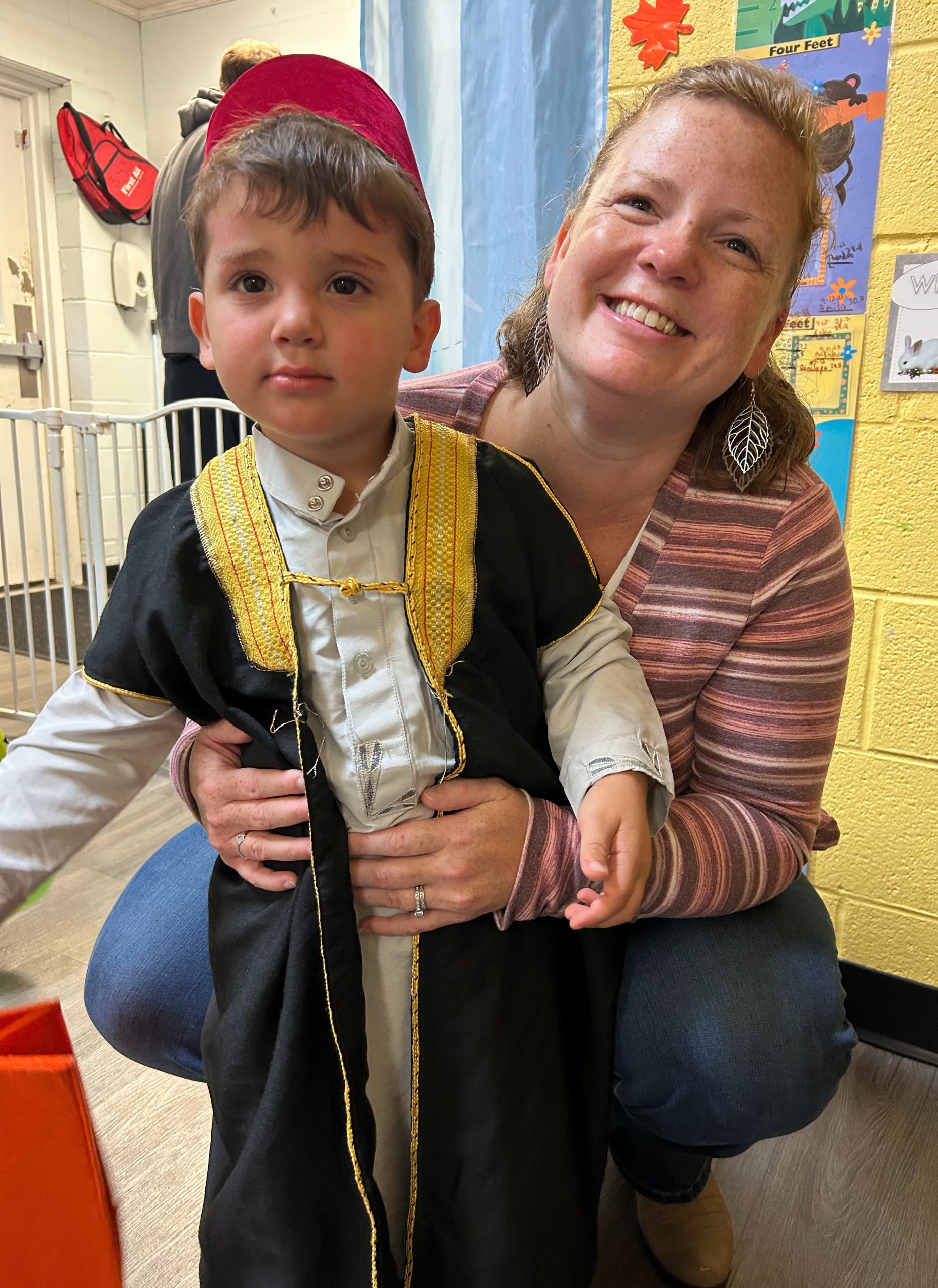
I couldn’t lift him, but nothing was going to stop me from being with him.

I was so tired and it was hard to walk, but I did it.
The hardest part was the diet change. When you have the surgery, for a few months you have a very strict diet. It gets a little less strict each month, but it’s so important to follow the diet as instructed. You also have to take special bariatric vitamins and calcium, but that hasn’t been difficult other than remembering to take them. I had my surgery right before Halloween, so through the whole holiday season, I had to watch my family eat all the beloved foods and treats that I have always enjoyed, and not be able to join in. But I did it. If I can do it, so can you.
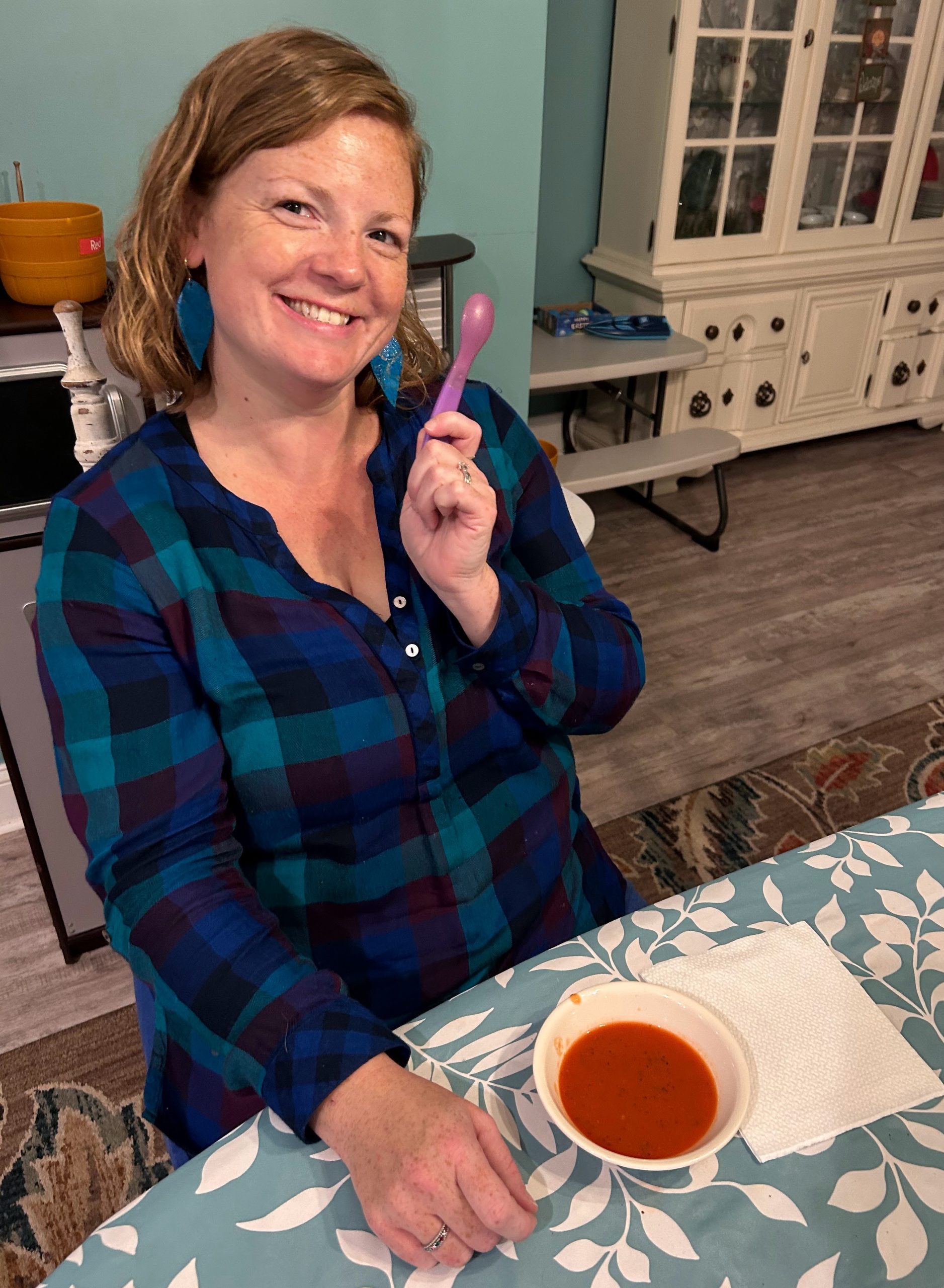
Eating a small bowl of soup on November 11, 2025
The weight falls off really quickly for several months, and then it slows down a lot. I have only lost like 4 pounds in the last six months, but I have continued to lose inches. It’s crazy to me how every 1-2 months I have to give away clothes because they have gotten too big. I am actually smaller now than I was when I met my husband 16 and a half years ago. I never expected to be smaller than that again. I’m not as small as when I was in high school, but I am as small as I was before I had Casey, and he’s 21.
Today is exactly one year since I had my surgery. The day I started my liver shrinking diet (a diet you have to do before your surgery to help make laparoscopic surgery easier), I was 236 pounds. The day of my surgery I was 228.4 pounds. Now, I fluctuate between 157 and 160 pounds. To help you have an idea of how much weight you lose at different times, here is how much I lost each month, along with some photos to visualize it:
Month 1 – 16.6 lbs
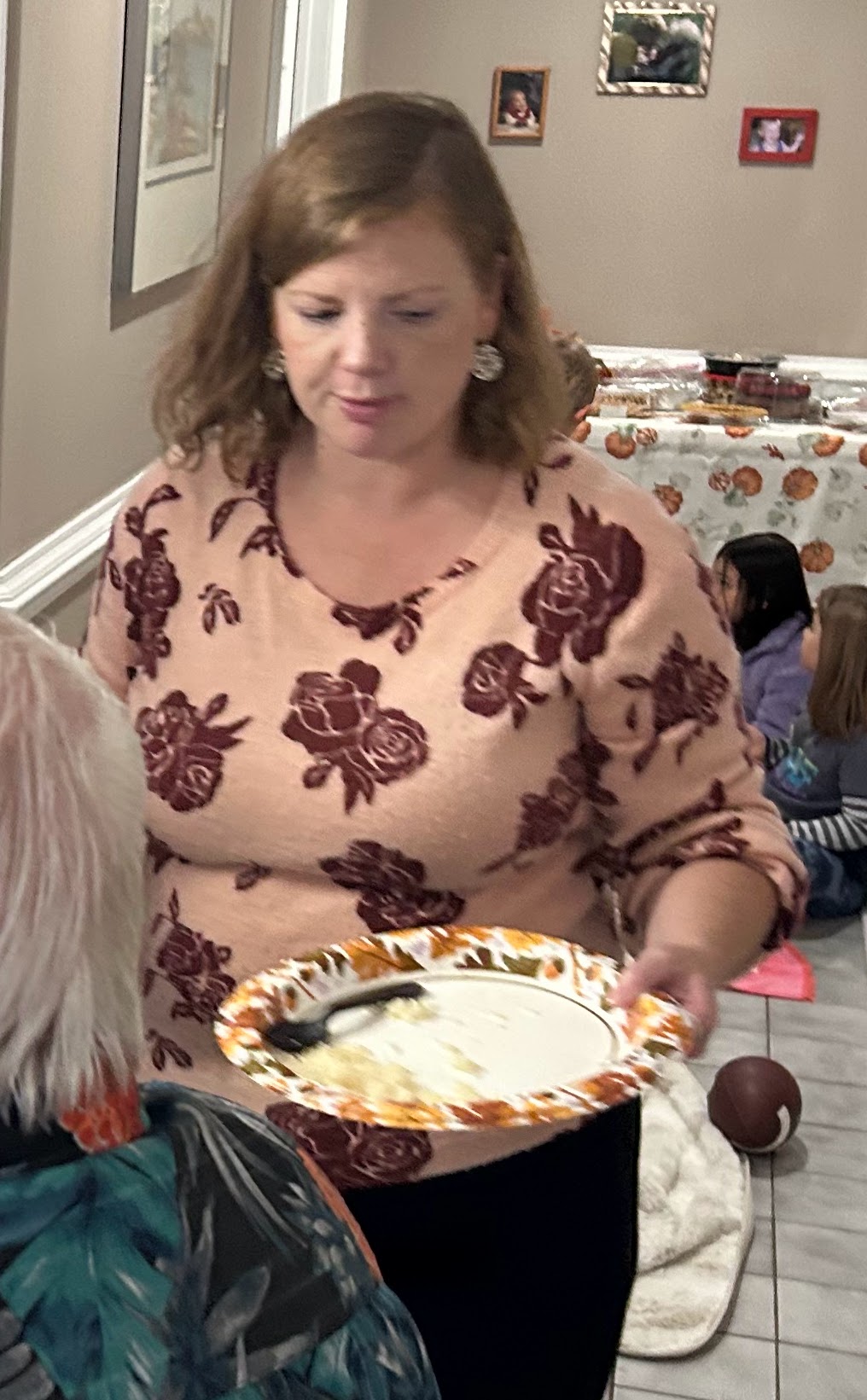
Nov 27, 2025, Thanksgiving. See the small stain on my plate? That’s about how much food I ate at a time.
Month 2 – 13.6 lbs
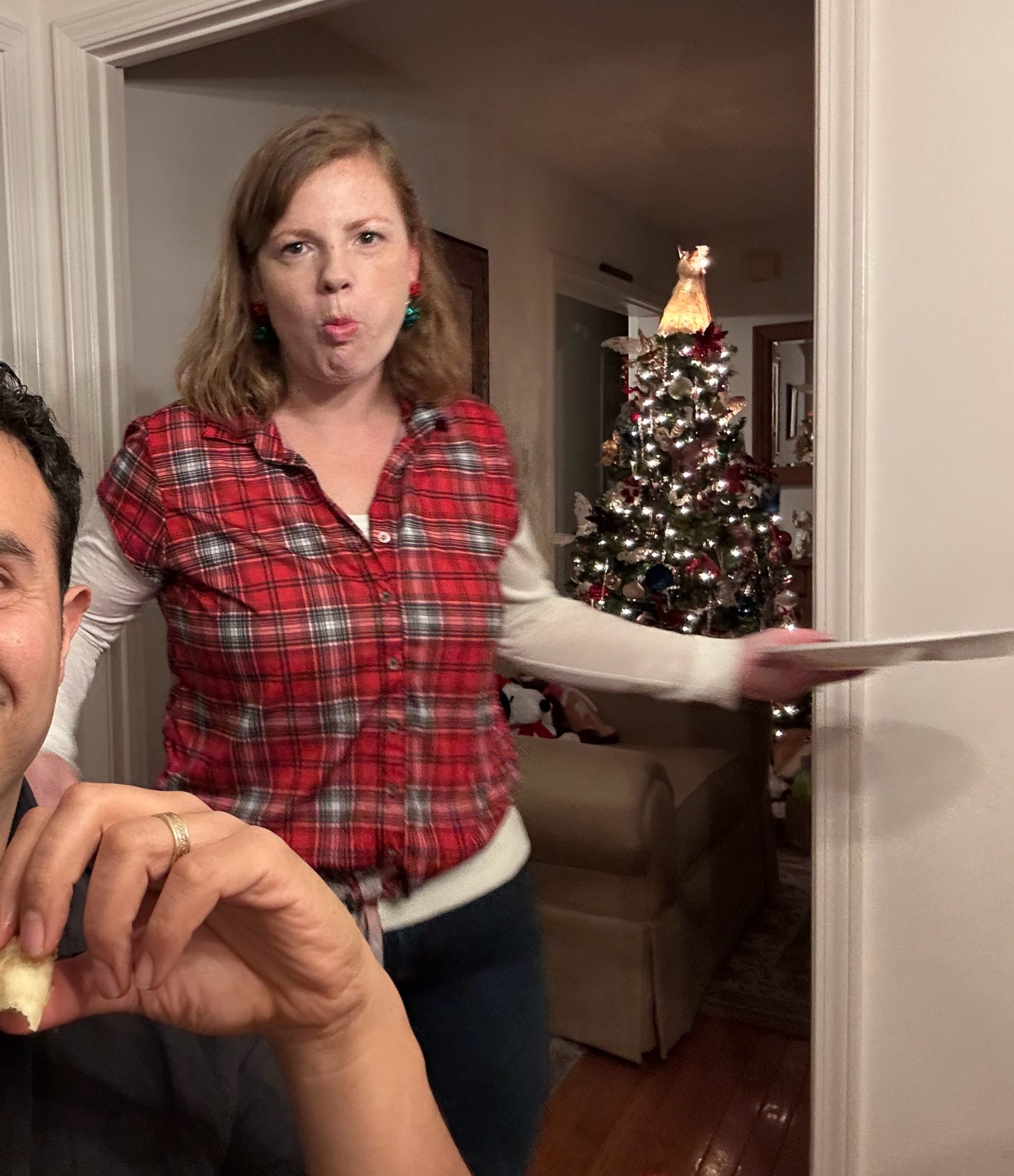
December 24, 2025, Christmas Eve. I never would have worn a shirt like that before.
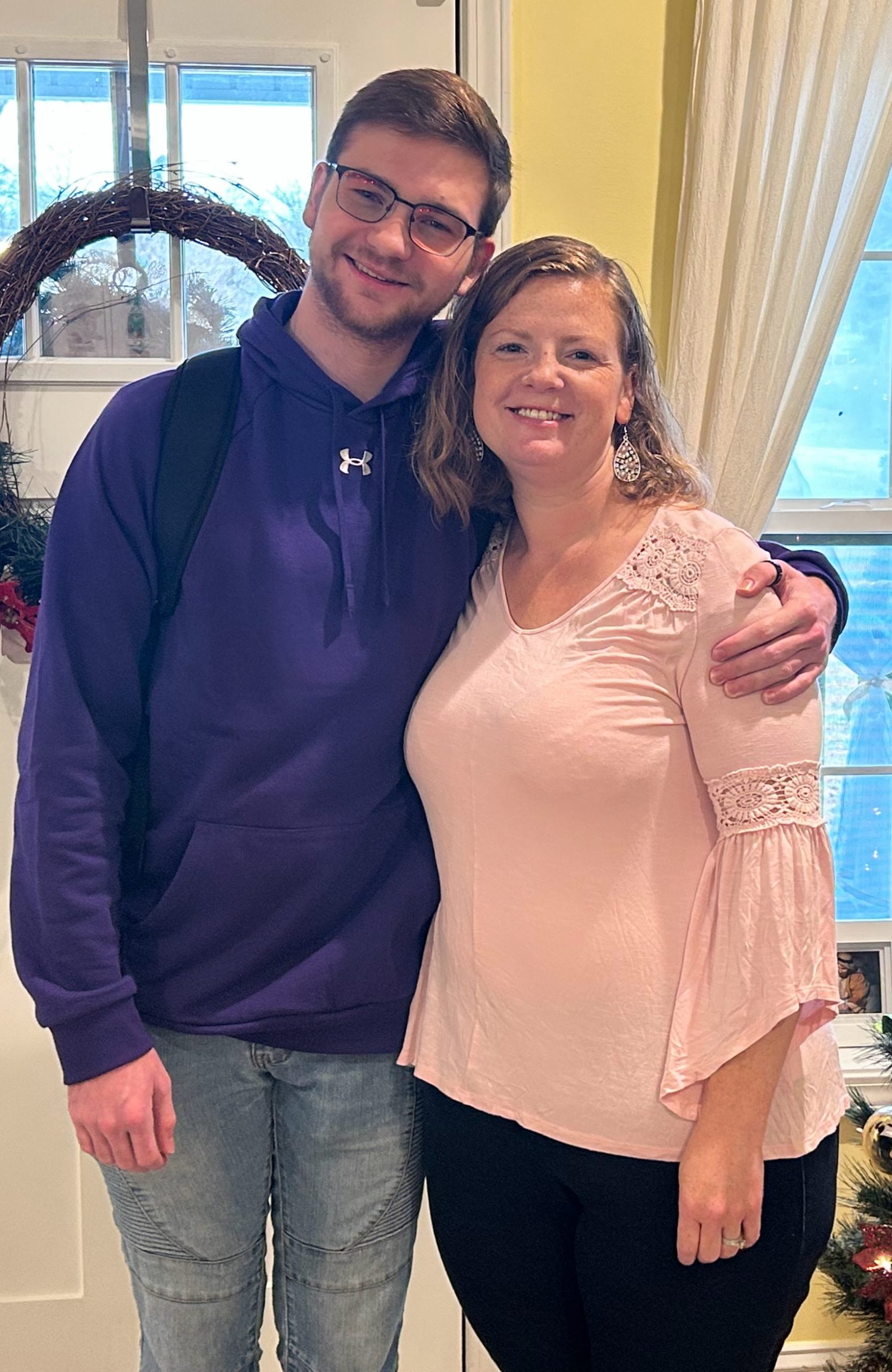
December 26, 2025. Feeling pretty in pink.
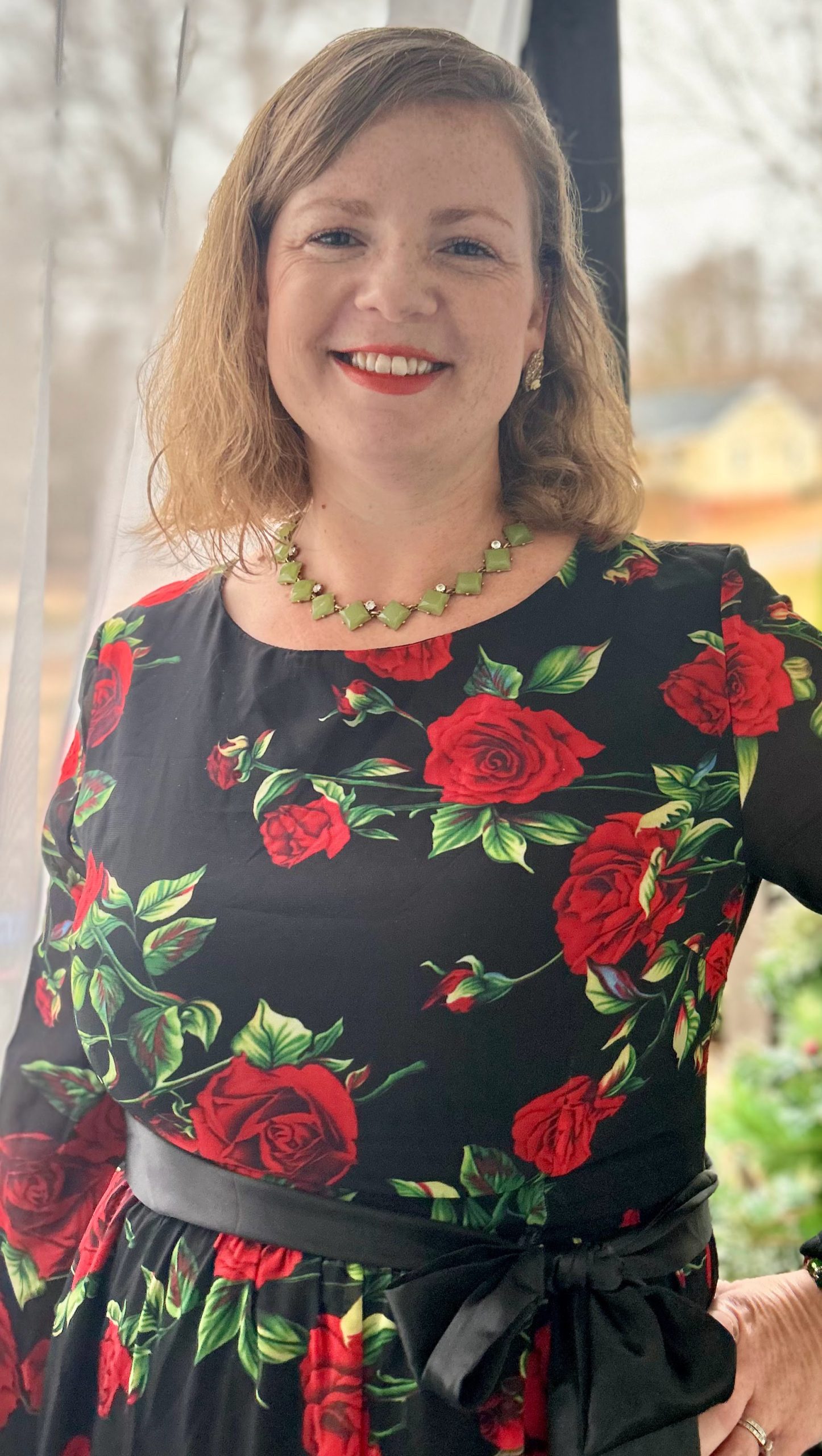
December 28, 2025. Feeling pretty enough for a special photo.
Month 3 – 12.4 lbs
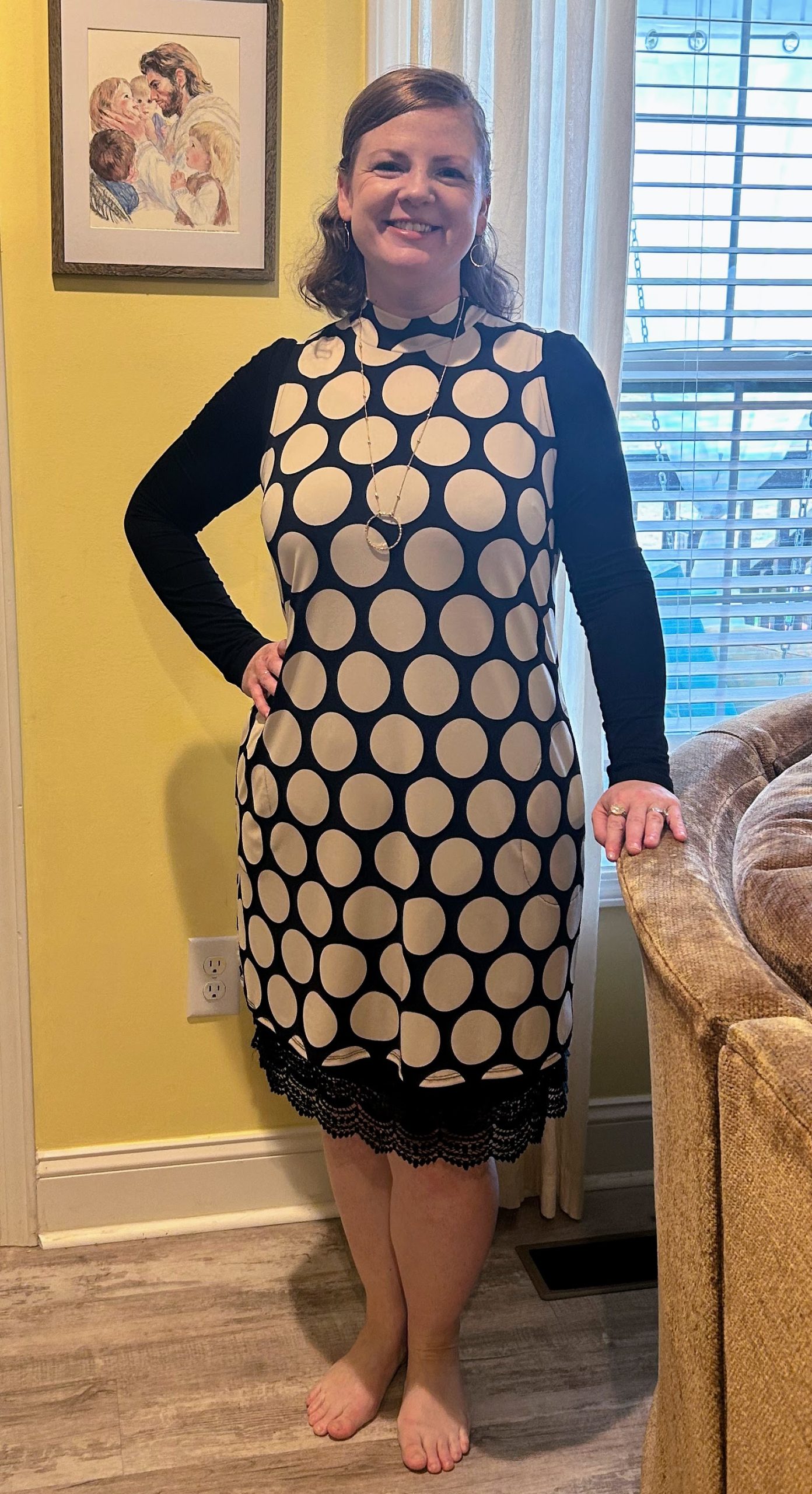
January 11, 2026. Feeling pretty in a dress a friend gave me.
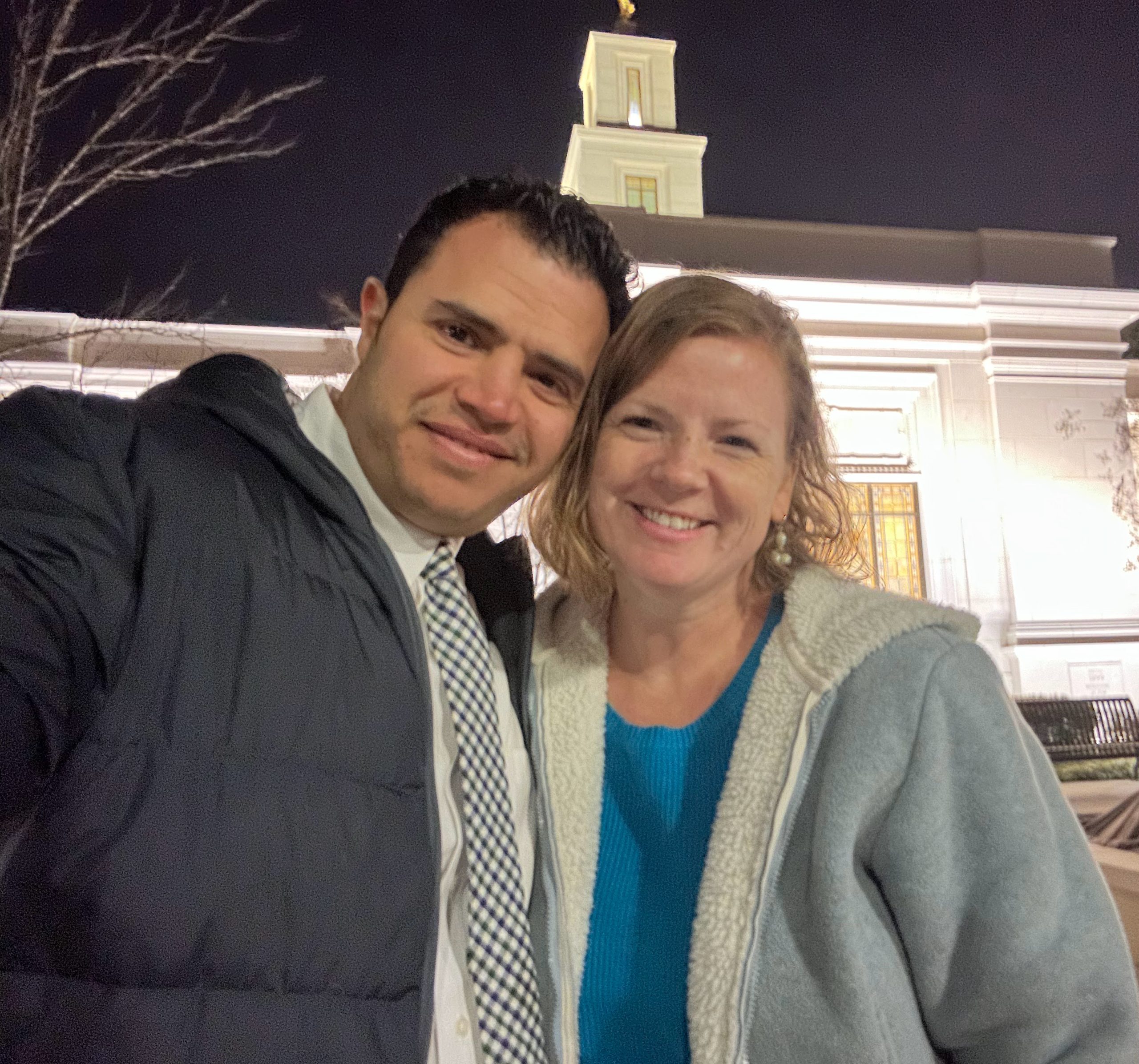
January 28, 2026
Month 4 – 8.6 lbs
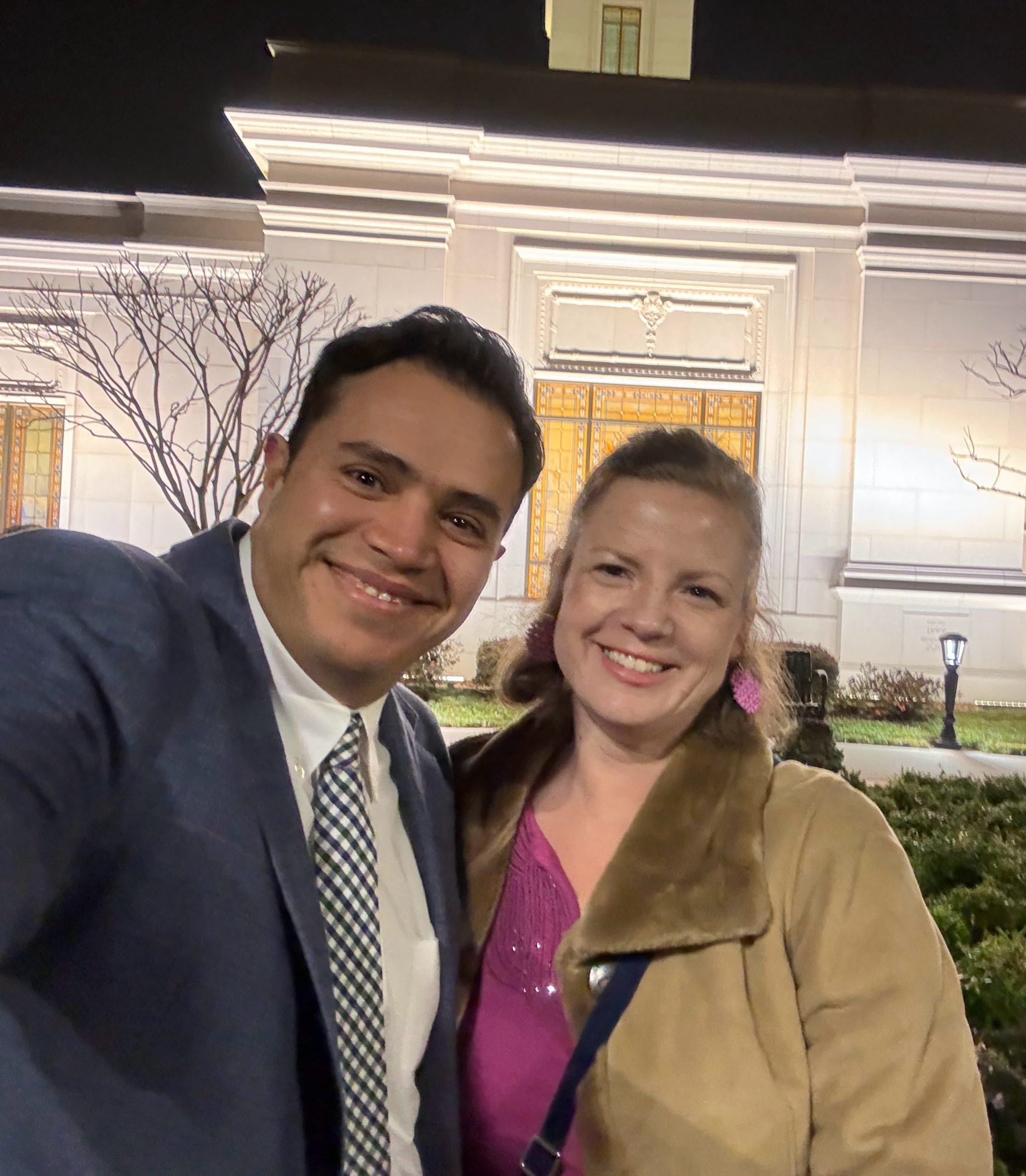
February 27, 2026 with my husband. I never thought I would be able to wear that coat again.
Month 5 – 3.9 lbs
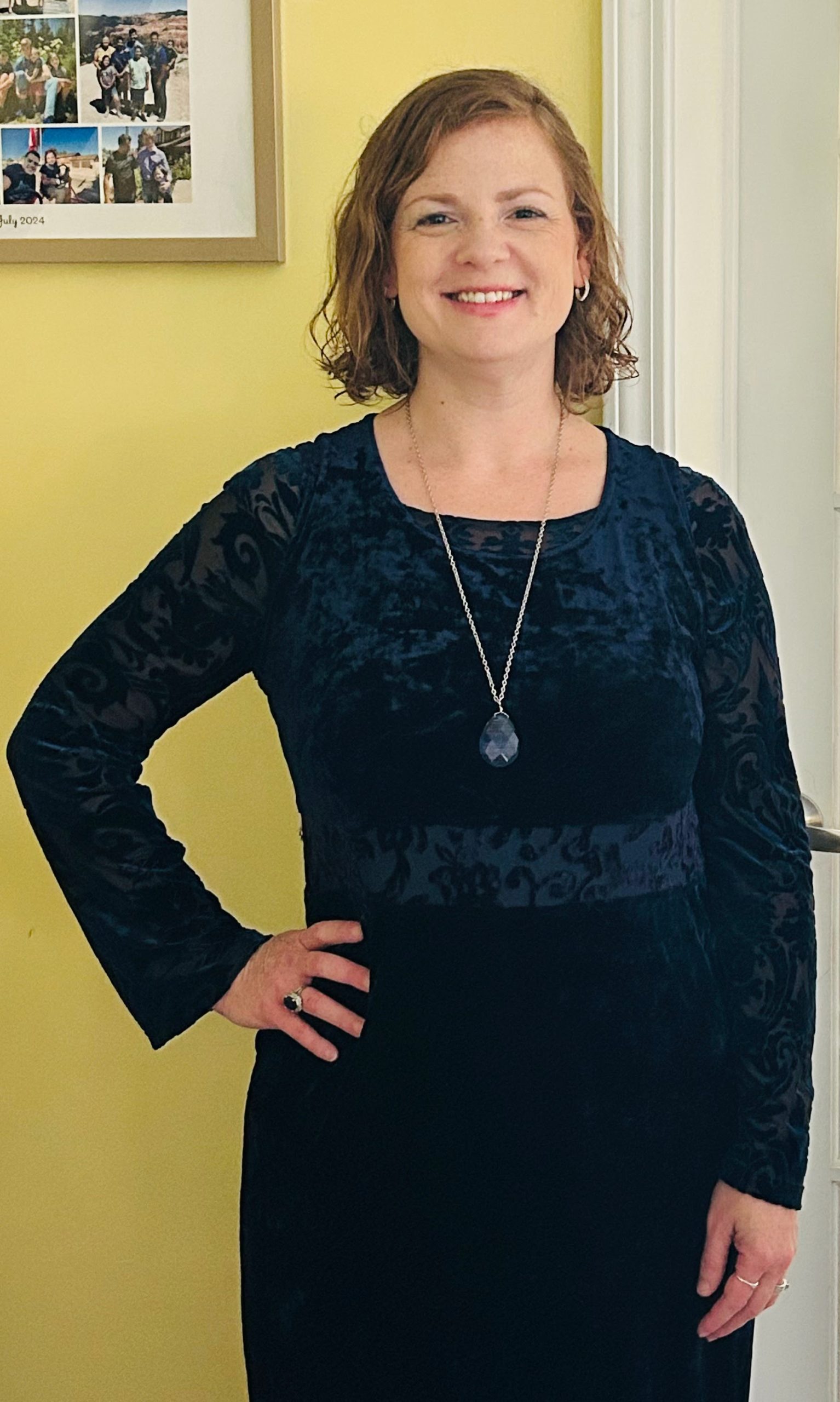
March 1, 2026. Feeling lovely in blue.
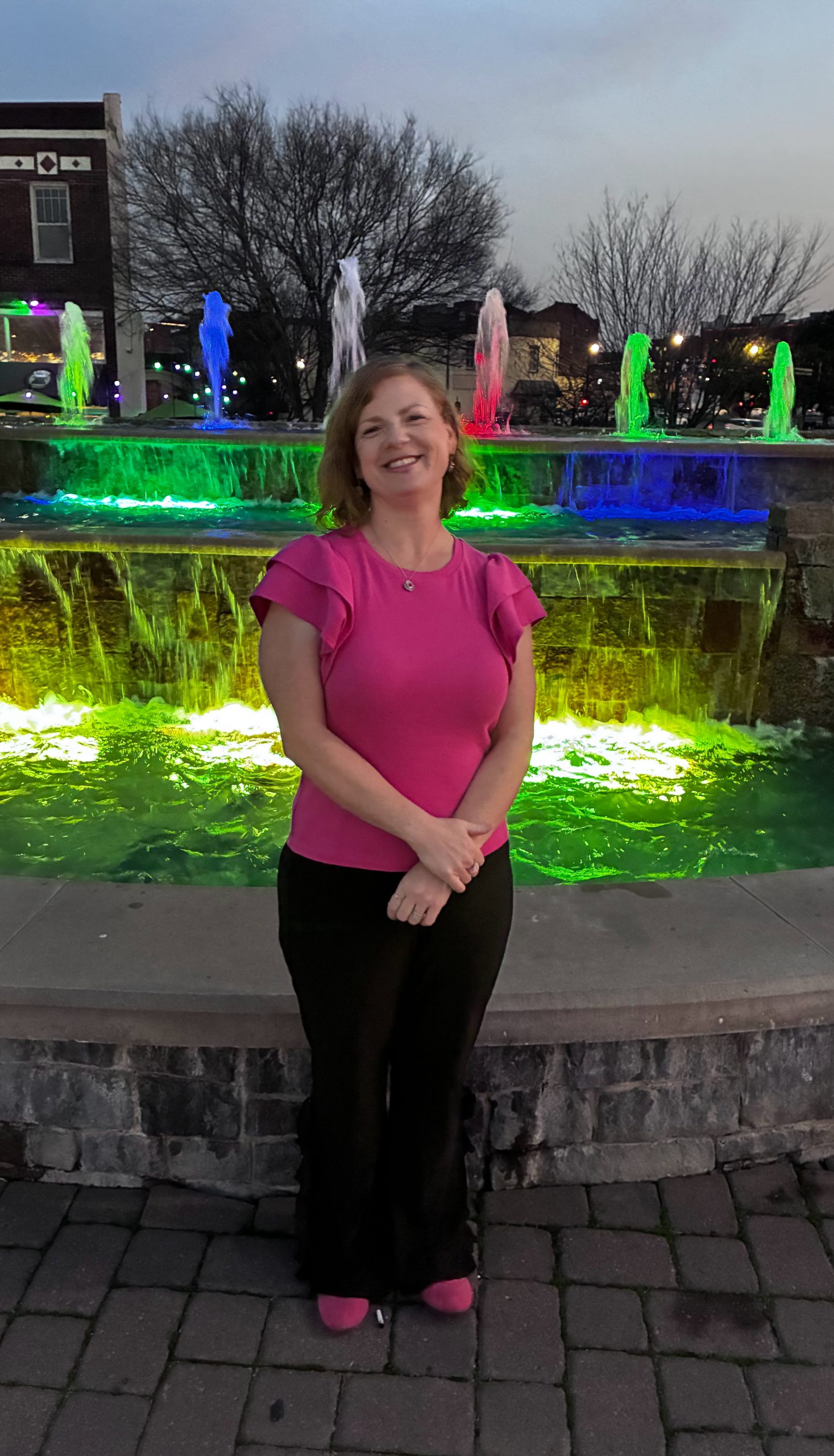
March 6, 2026. Feeling lovely on my anniversary.
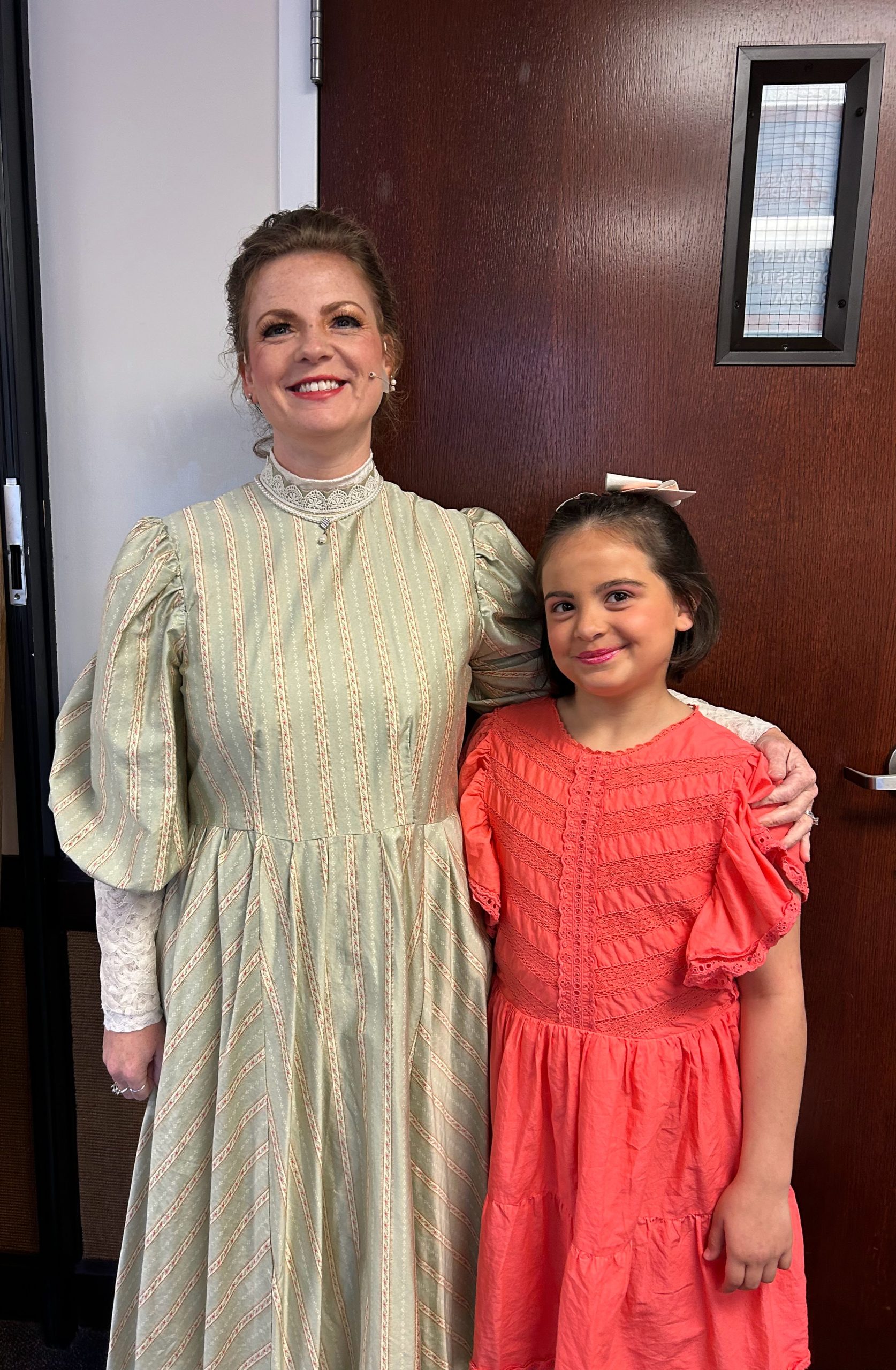
March 20, 2026. This dress was getting too big by the time of the Mary Poppins performances.
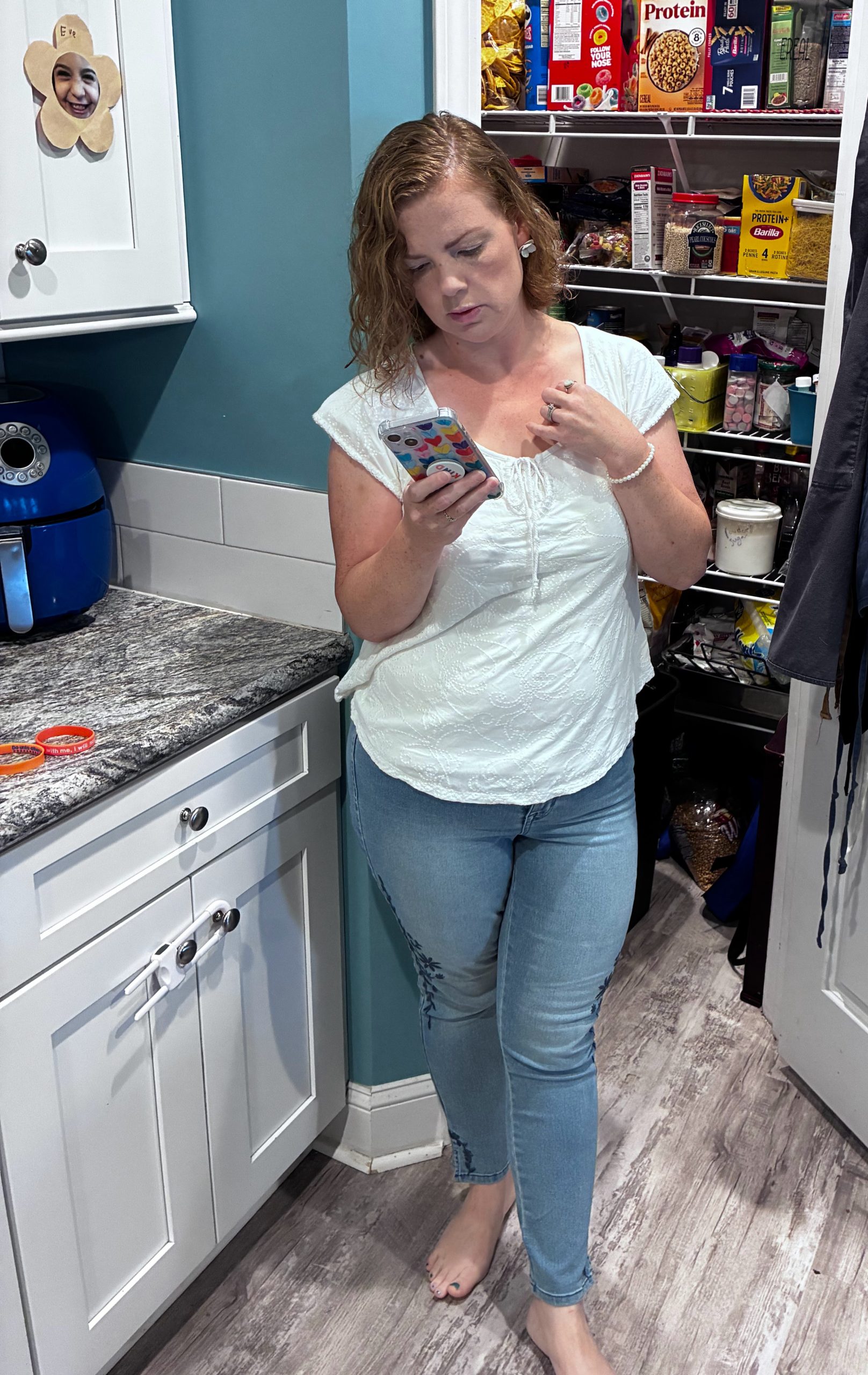
March 23, 2026. Jad took the photo because he liked the way I looked.
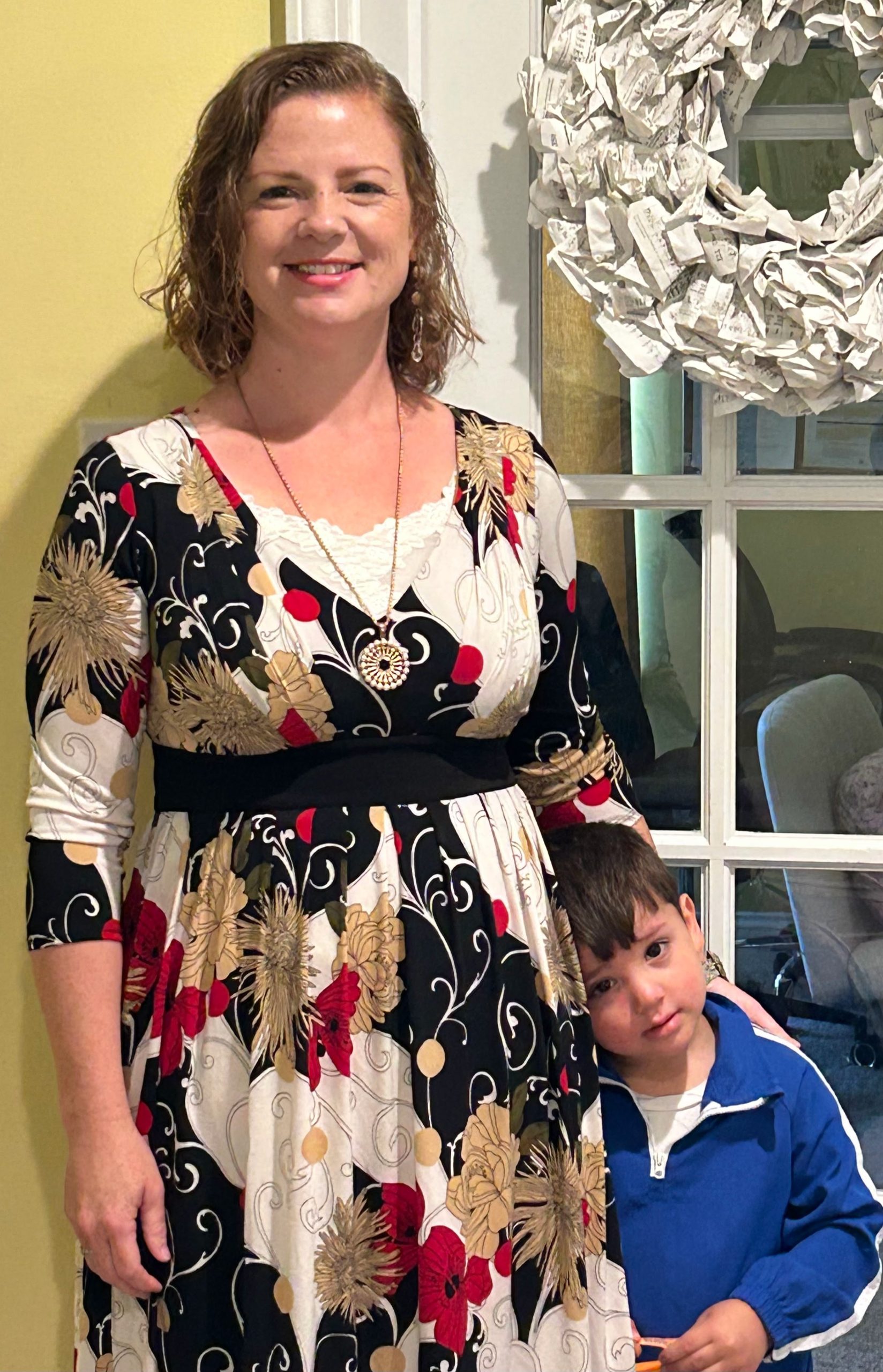
March 29, 2026 with my little boy
Month 6 – 6.9 lbs
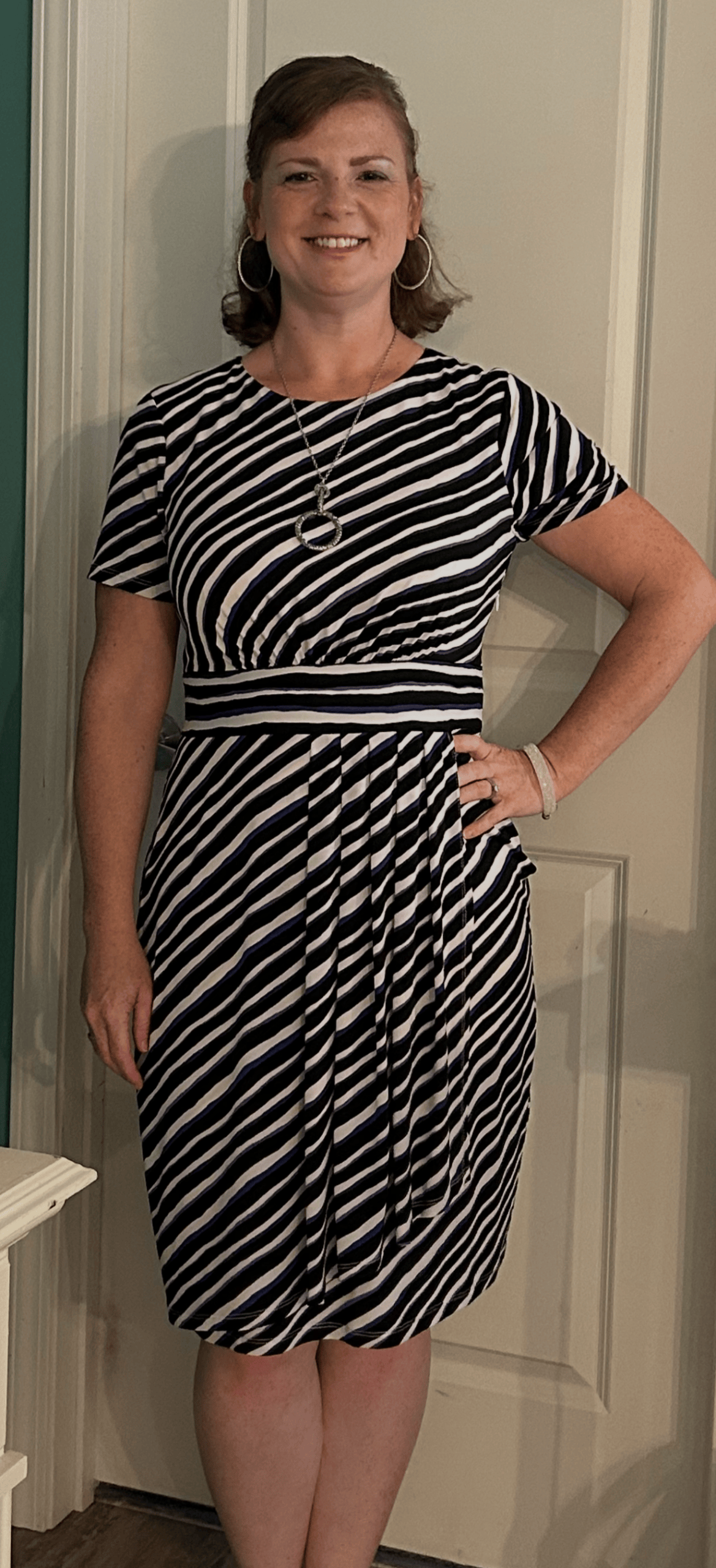
April 19, 2026
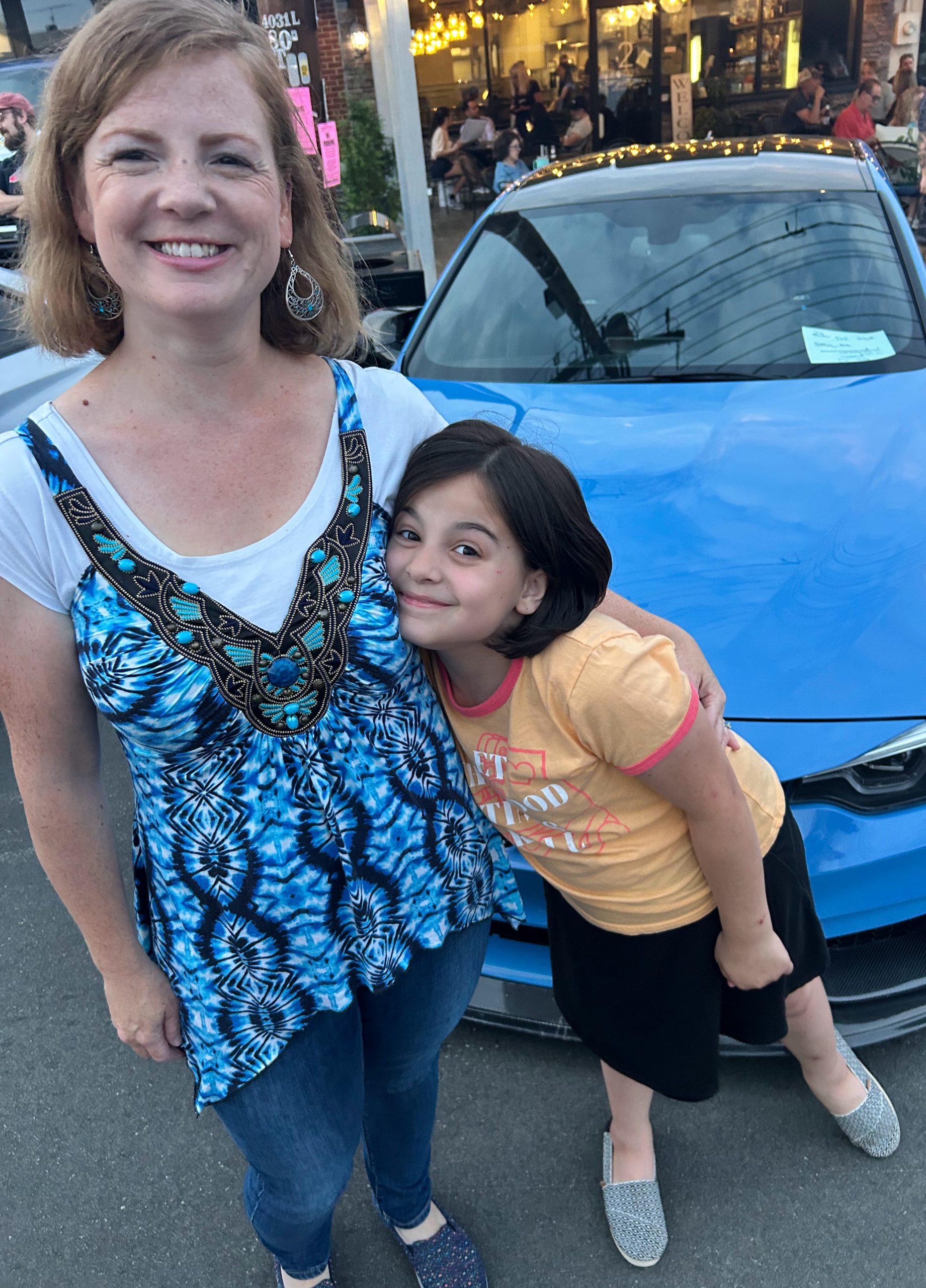
April 24, 2026 with my daughter
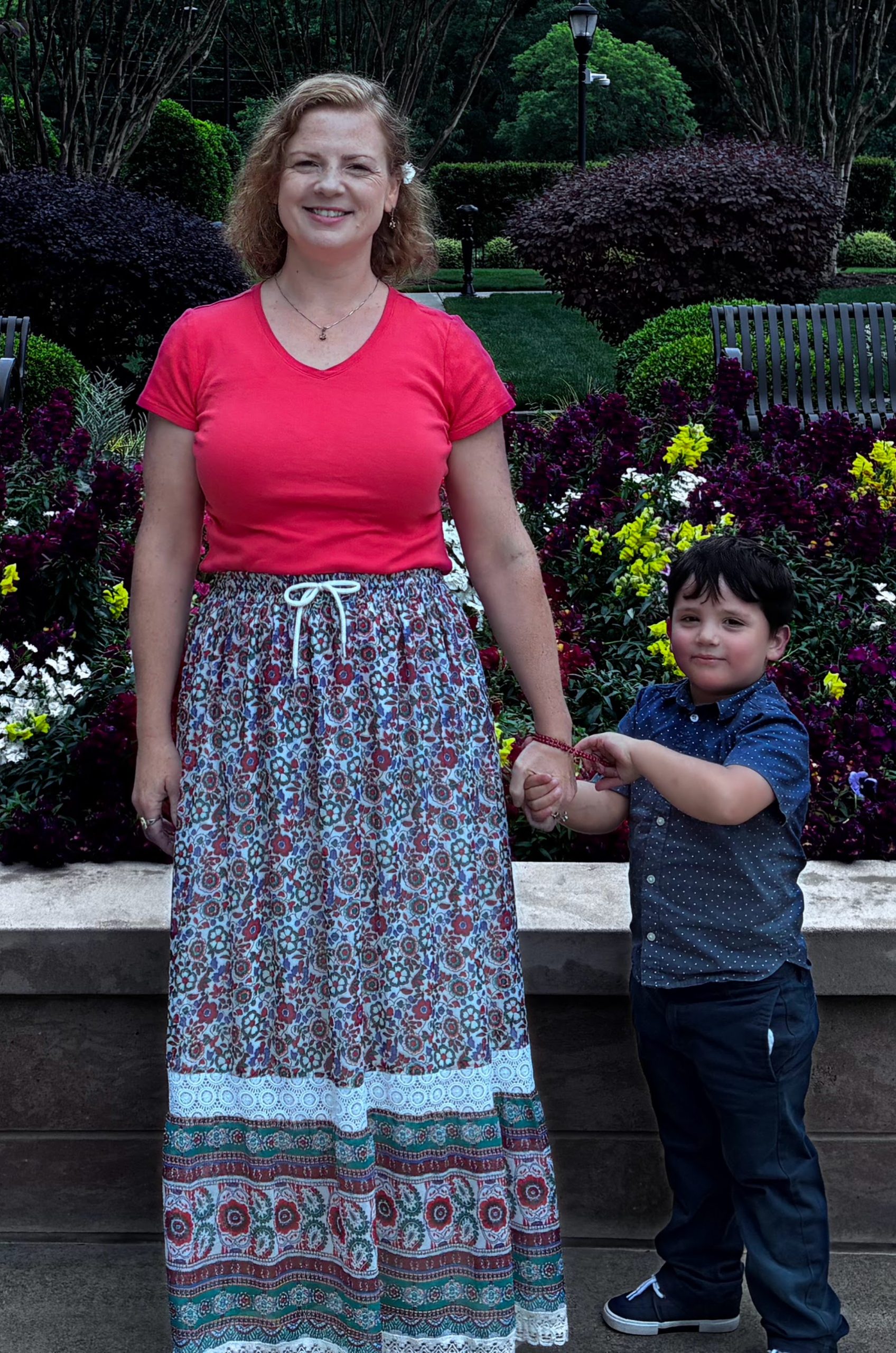
April 26, 2026 with my little boy
Month 7 – 2.2 lbs
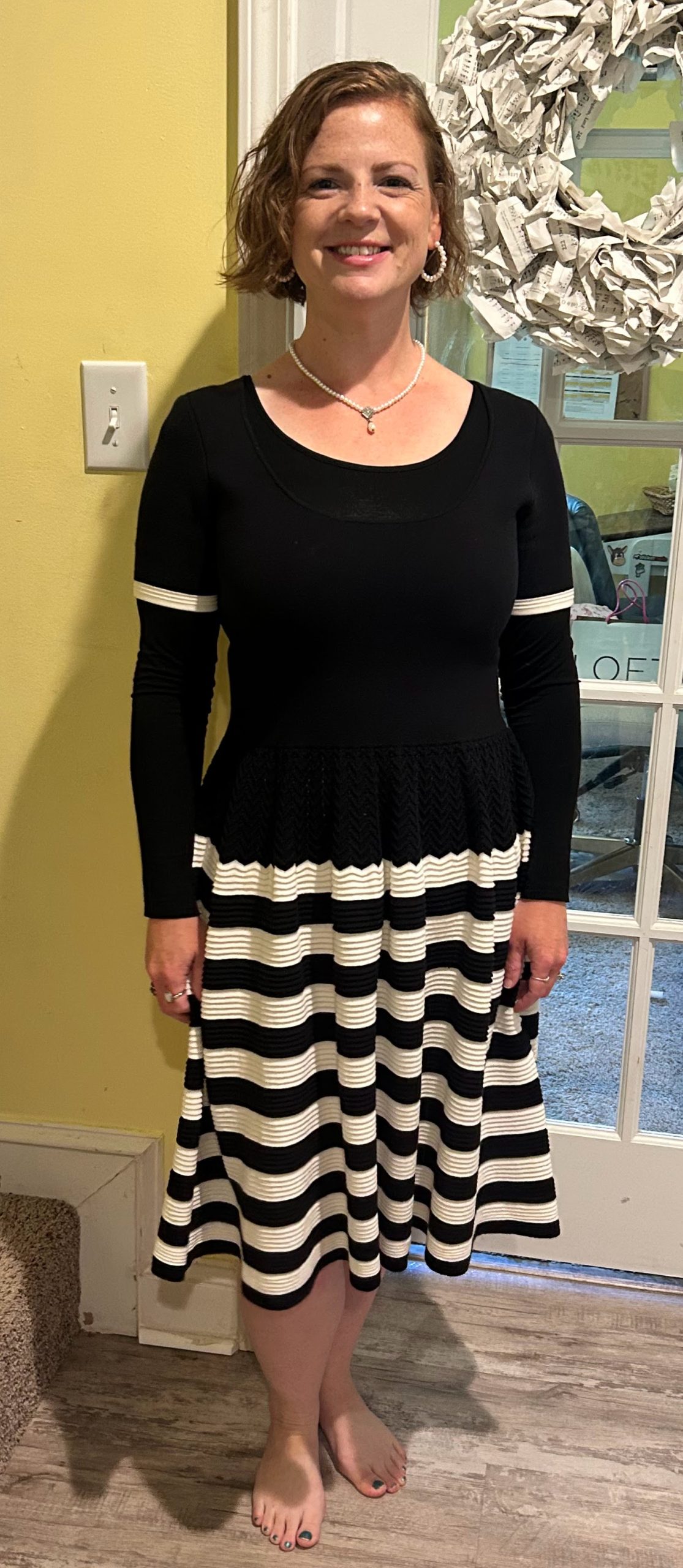
May 3, 2026, loving how this dress accentuated my waist
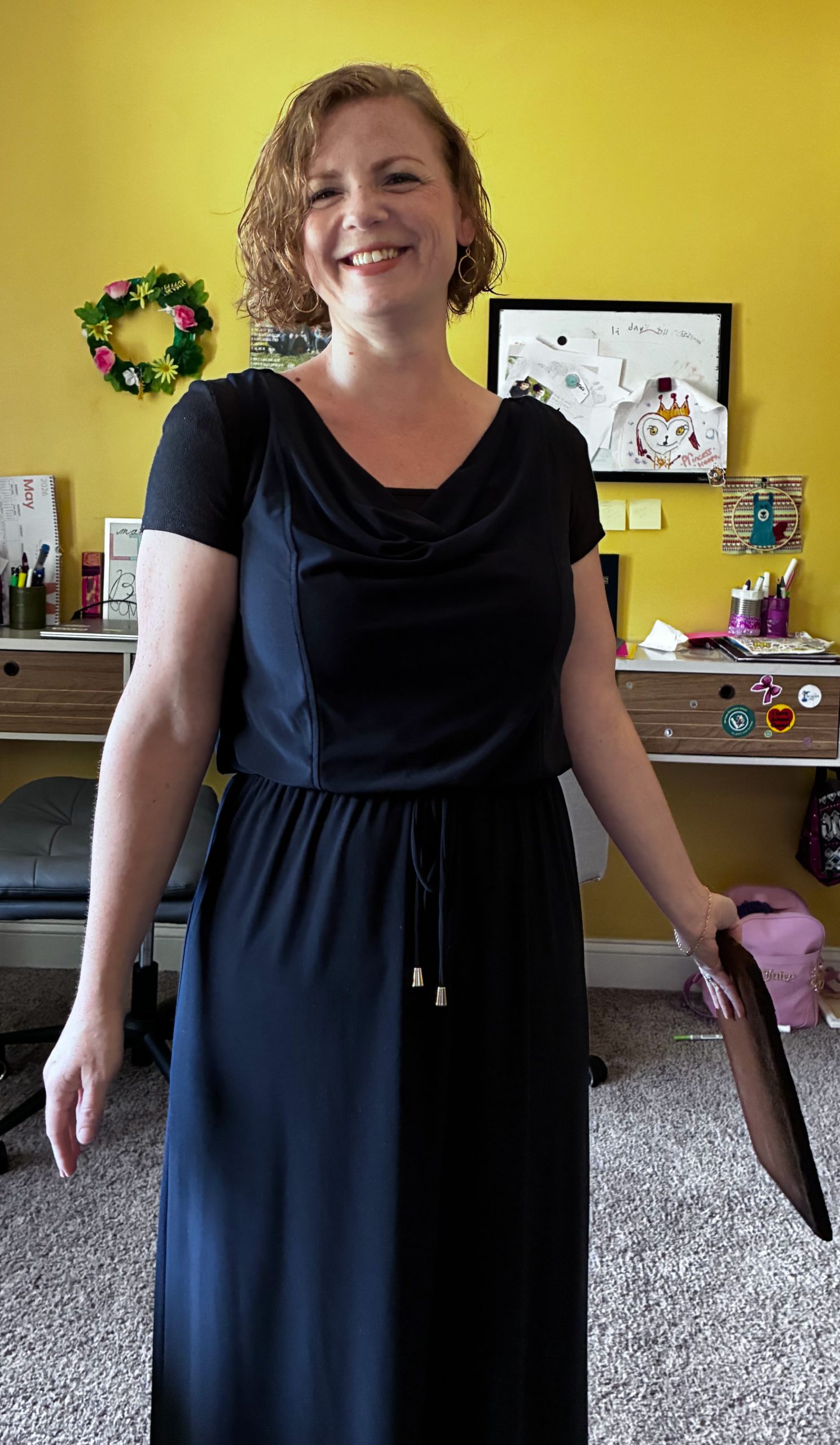
May 5, 2026 with burnt brownies but otherwise feeling gorgeous
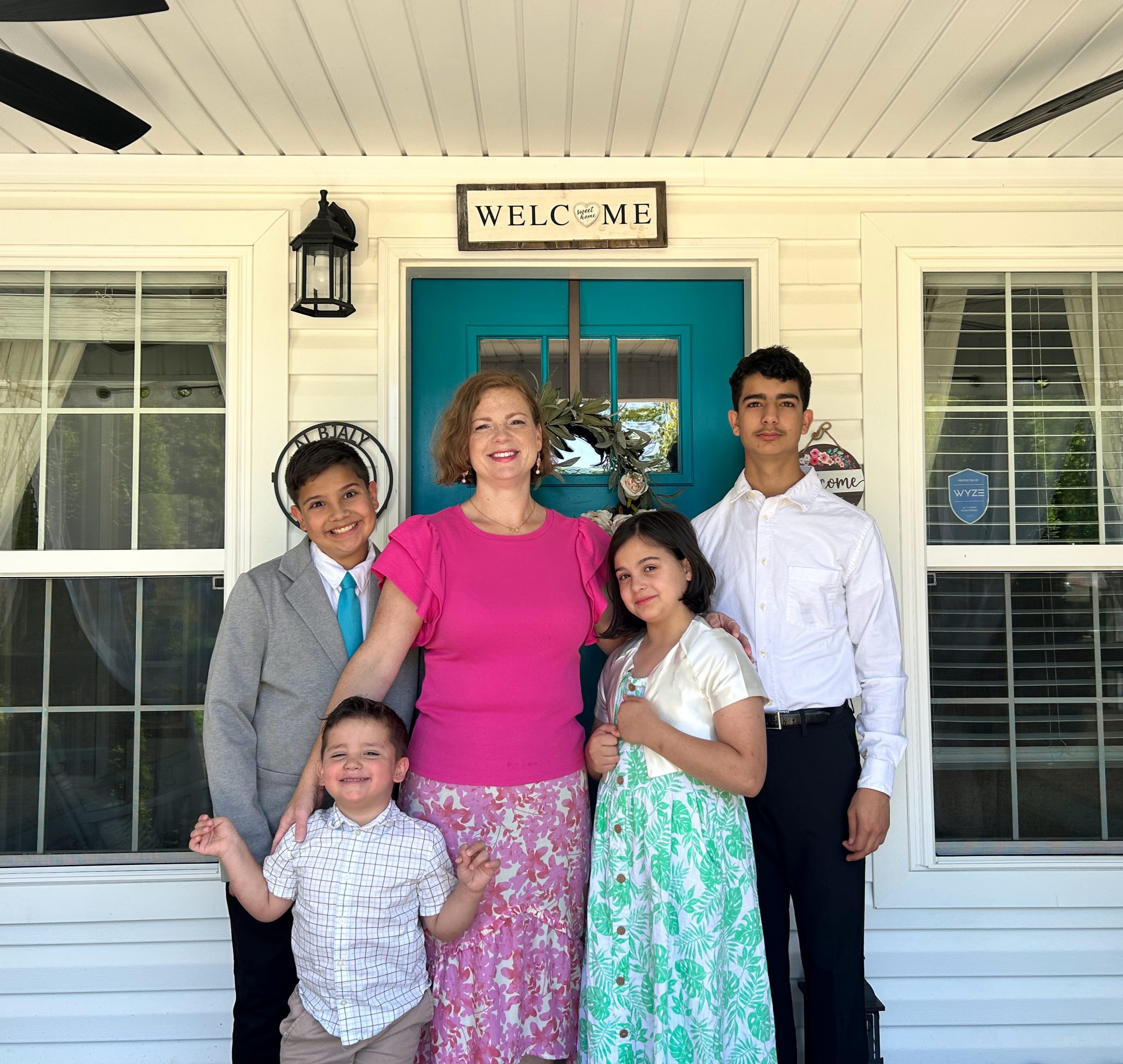
May 10, 2026, Mother’s Day, with most of my kids
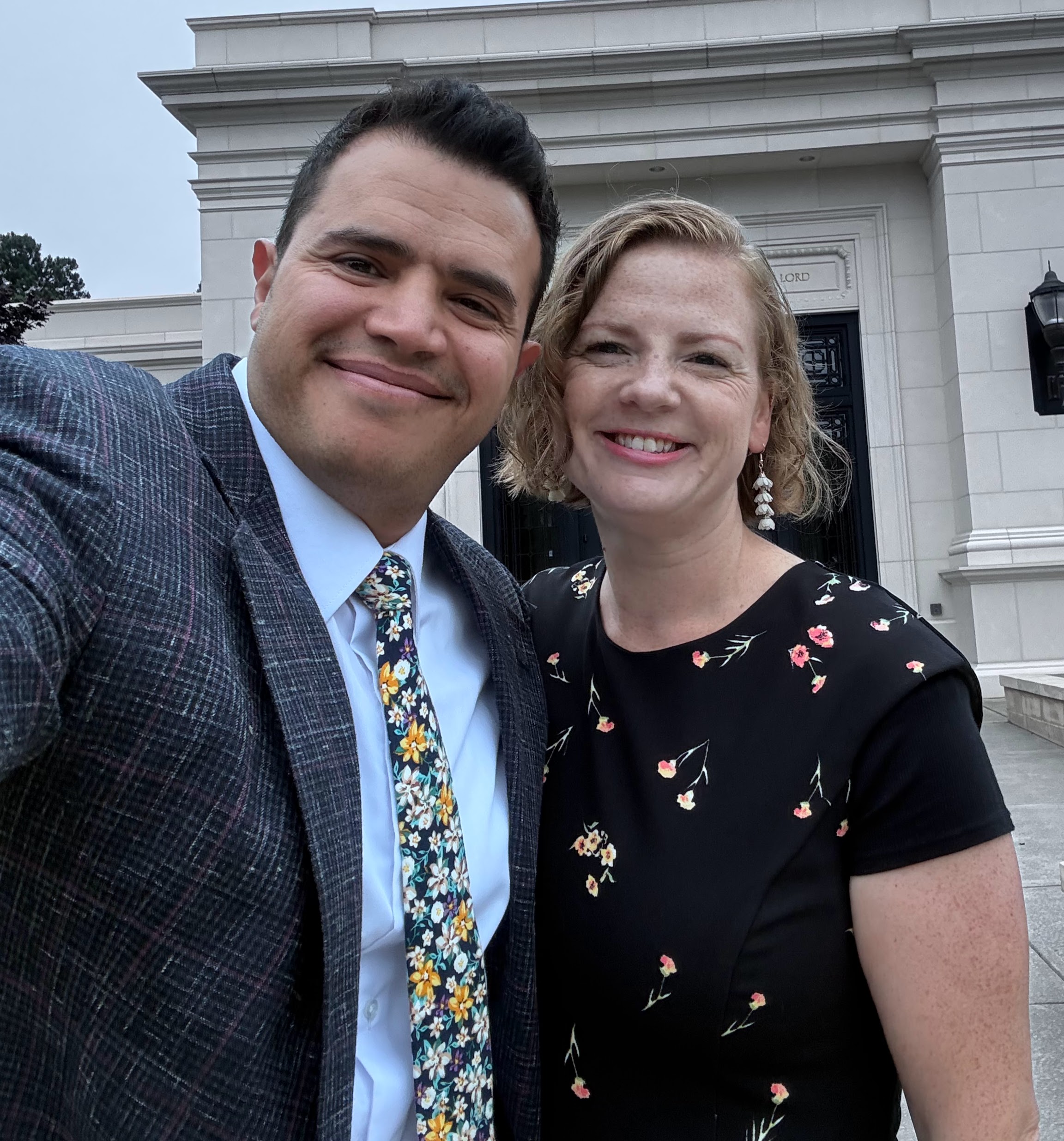
May 23, 2026 with my husband
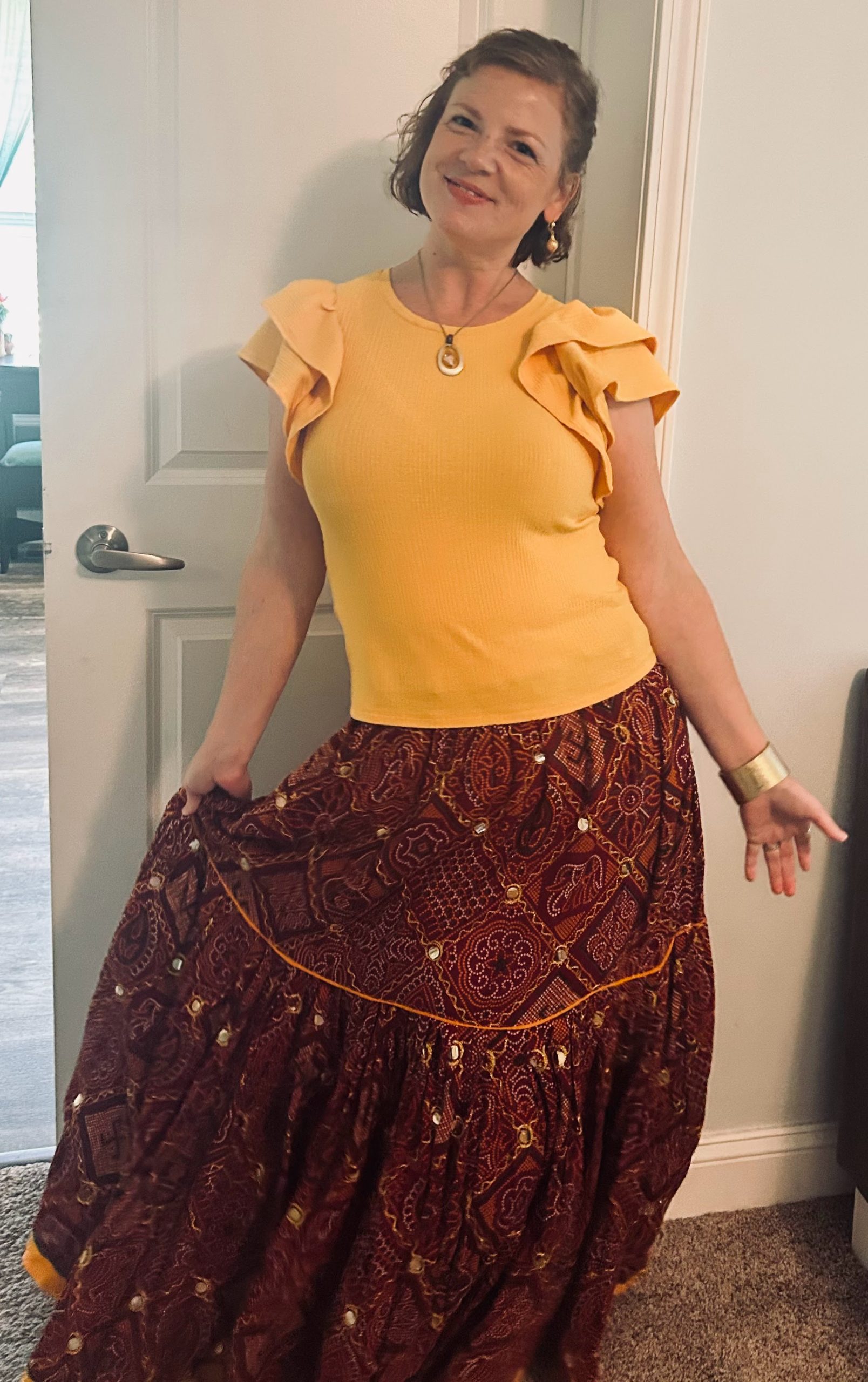
May 31, 2026, feeling fabulous
Month 8 – 3.6 lbs
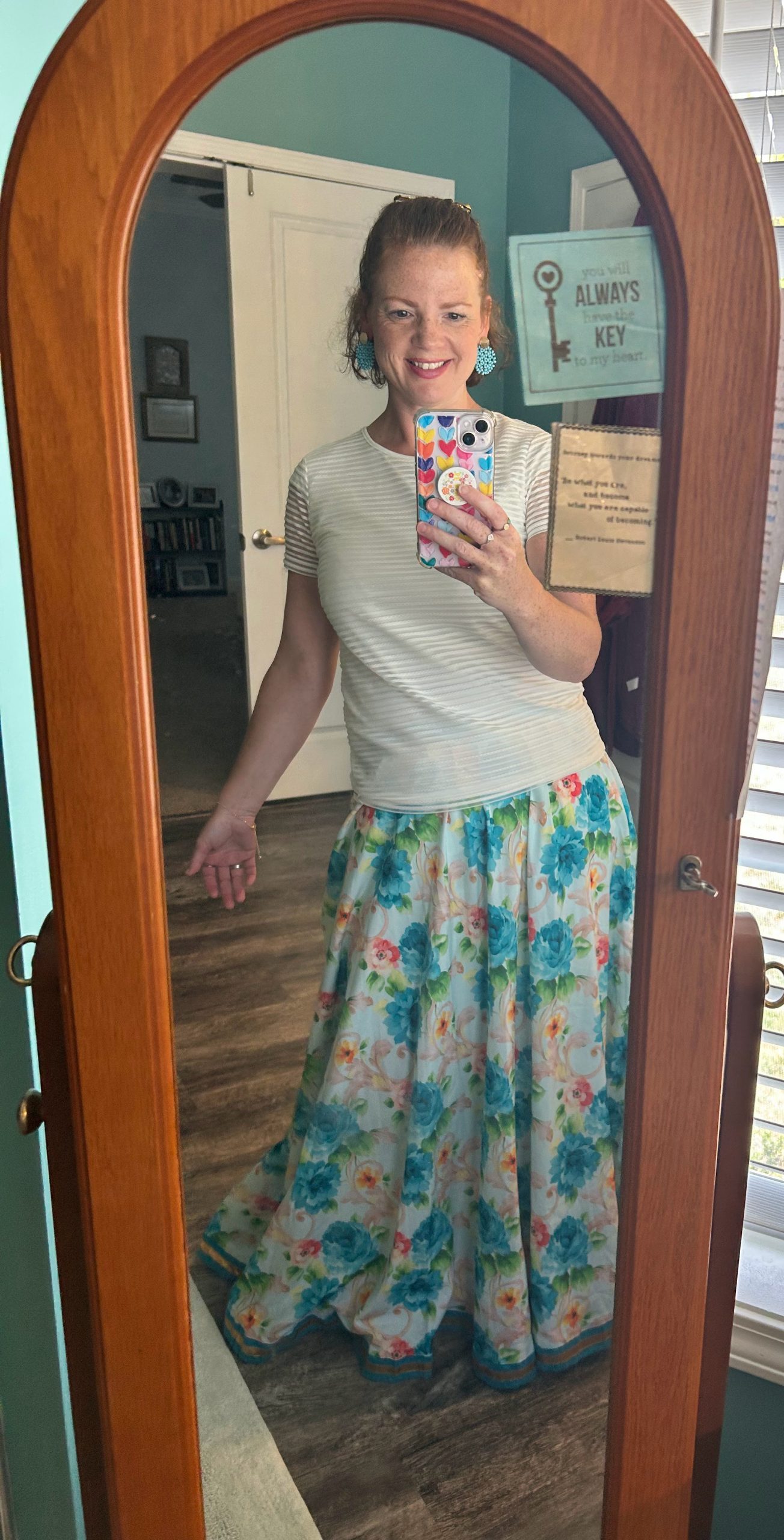
June 14, 2026
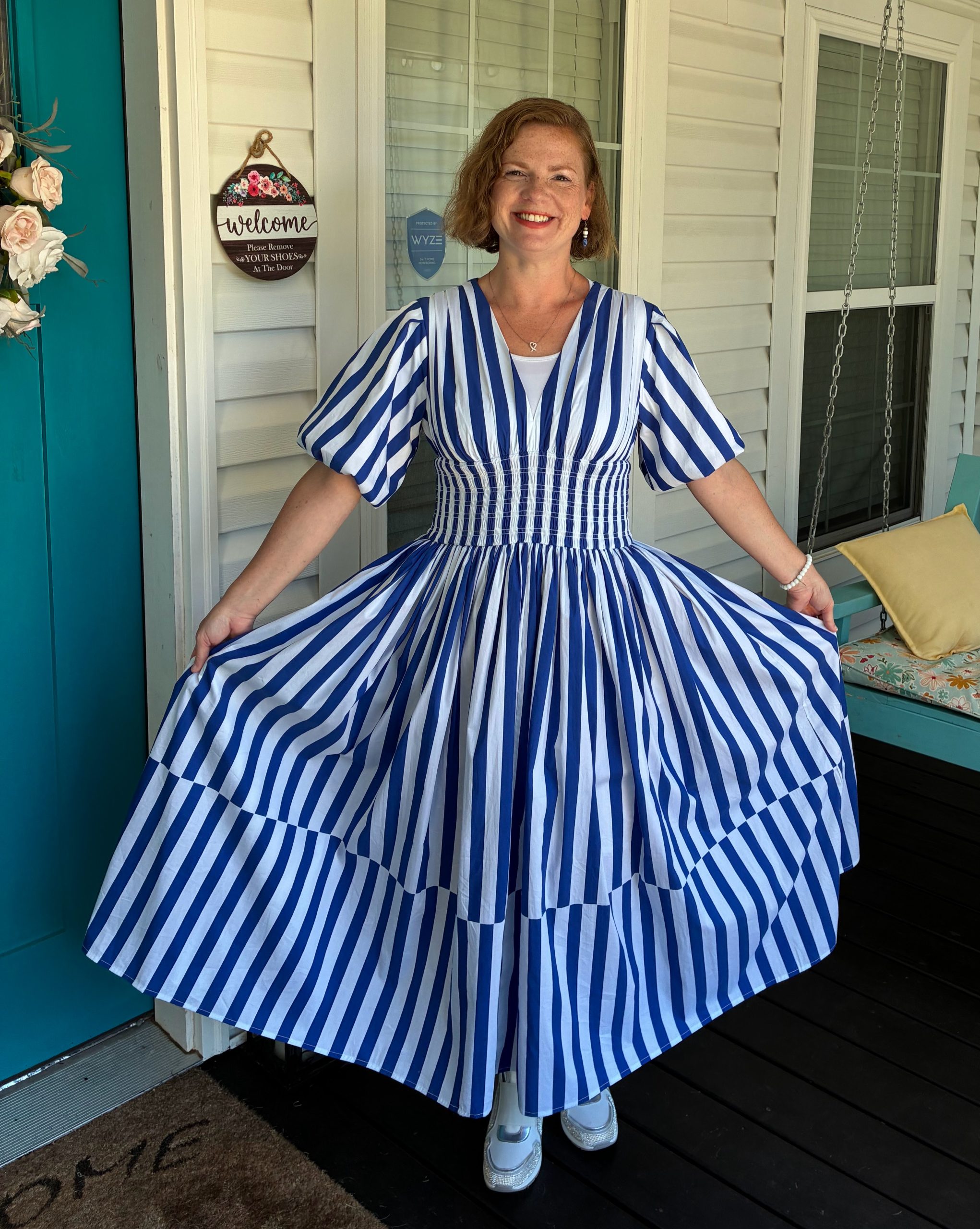
June 21, 2026, my birthday
Month 9 – 3 lbs
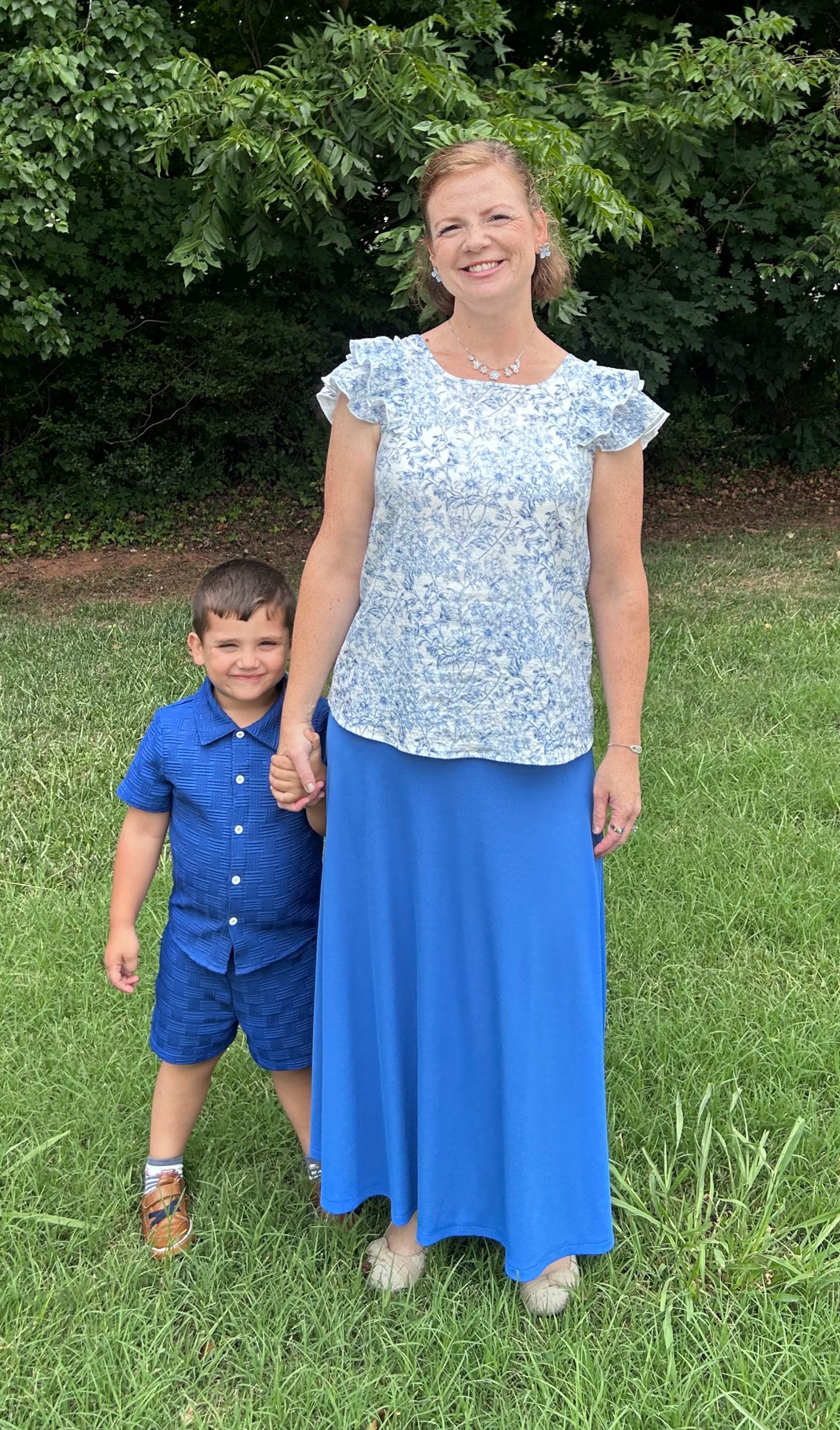
July 12, 2026 with my little boy
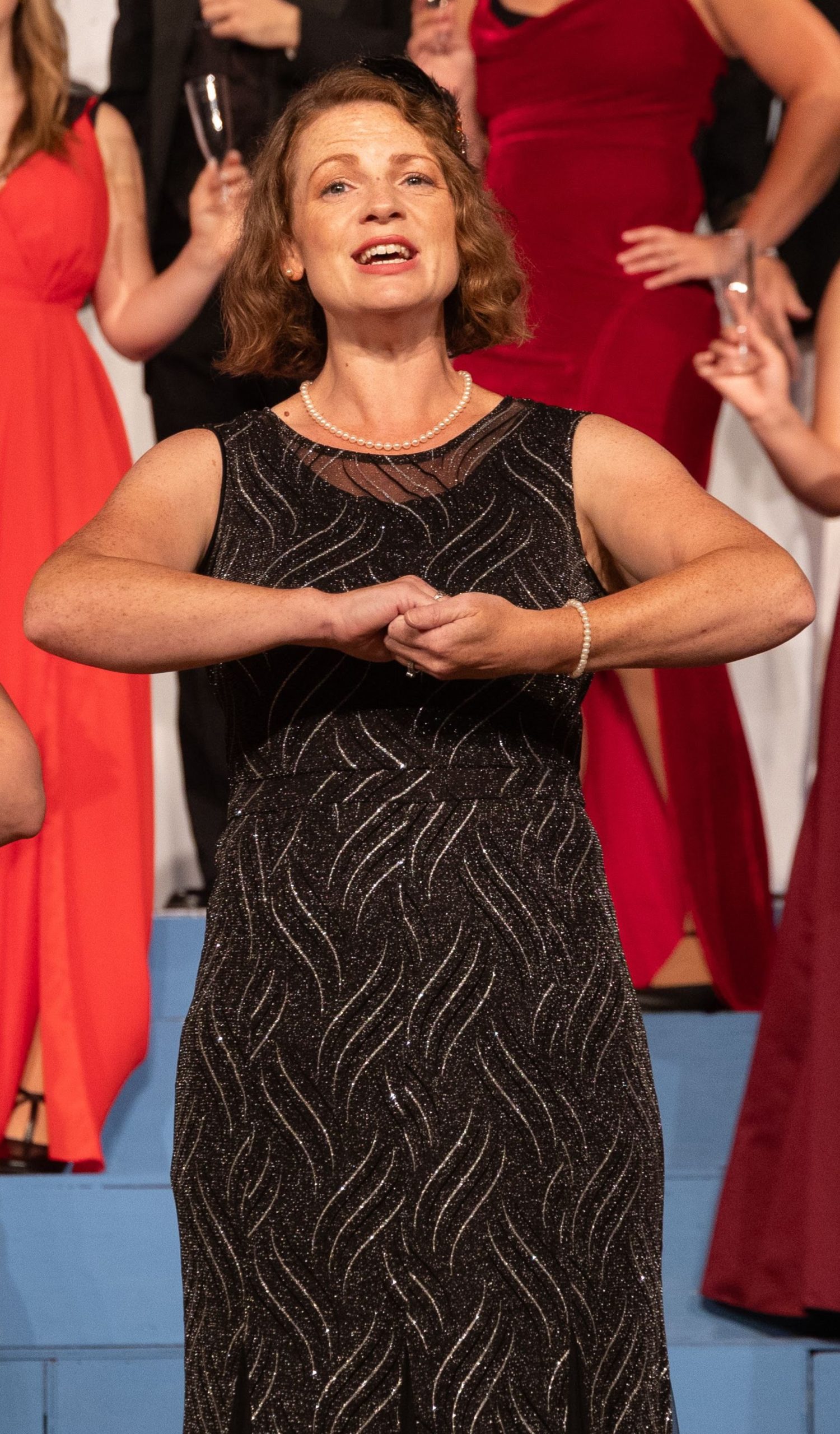
July 22, 2026, in the most amazing dress for Anything Goes
Month 10 – 1.2 lbs
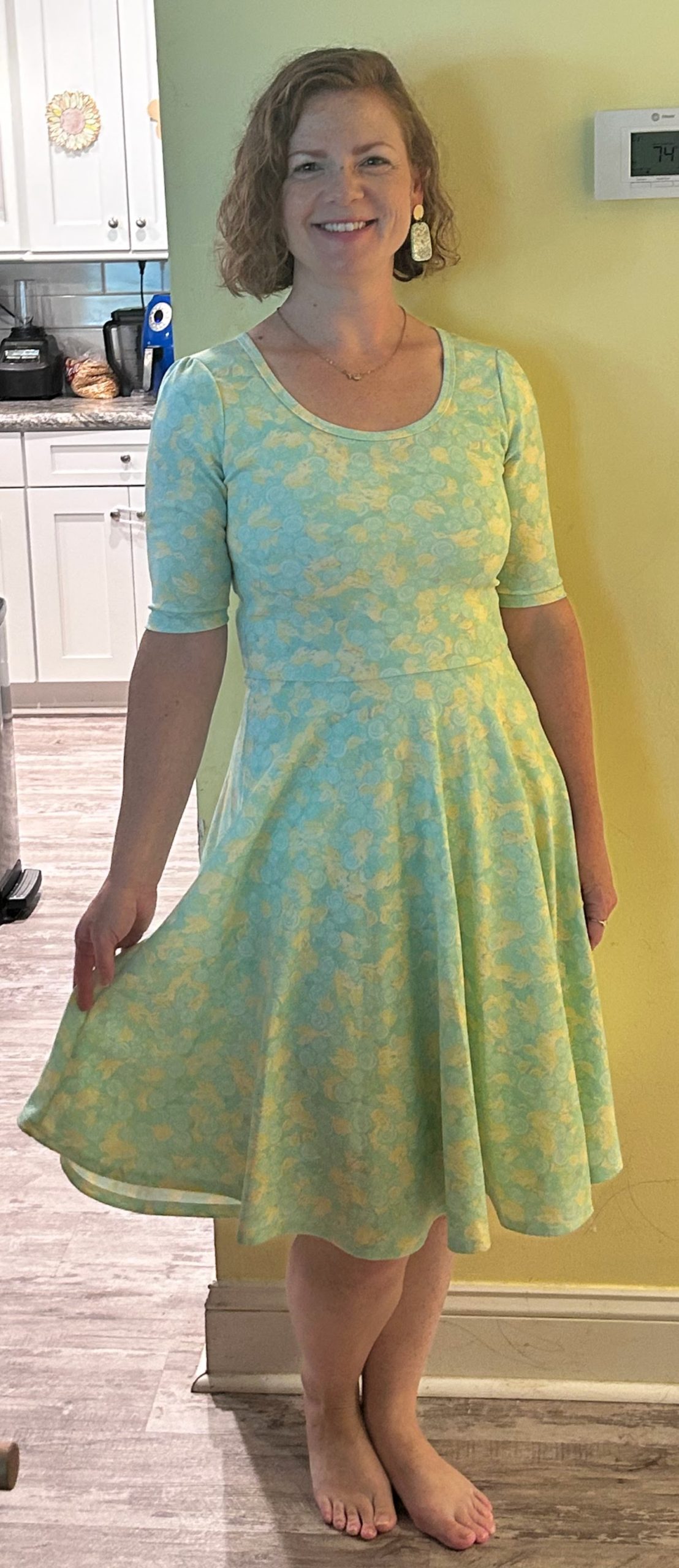
August 9, 2026 in a dress I had for years but could never fit in
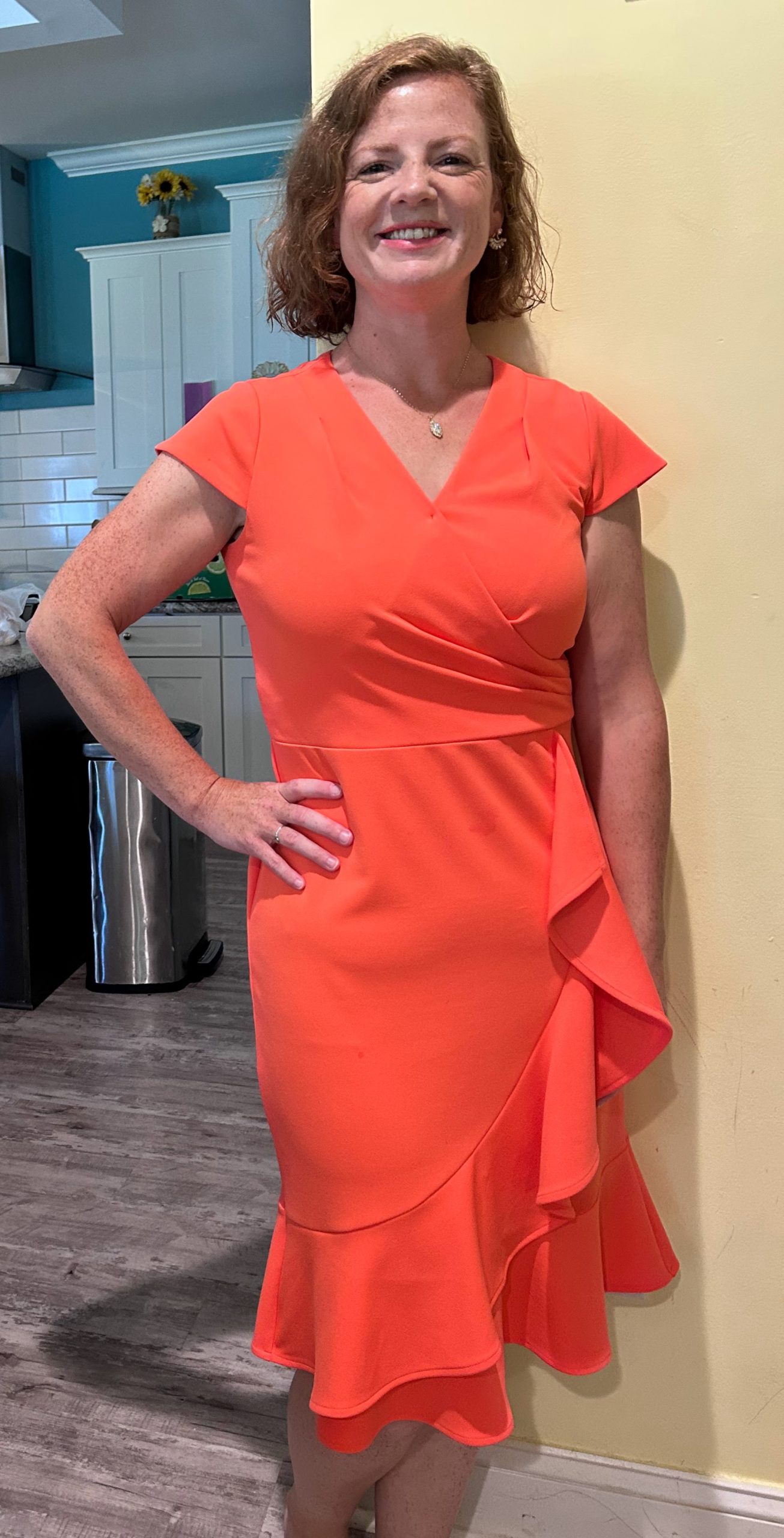
August 13, 2026 in a dress I had been saving until it looked flattering
Month 11 – no weight change
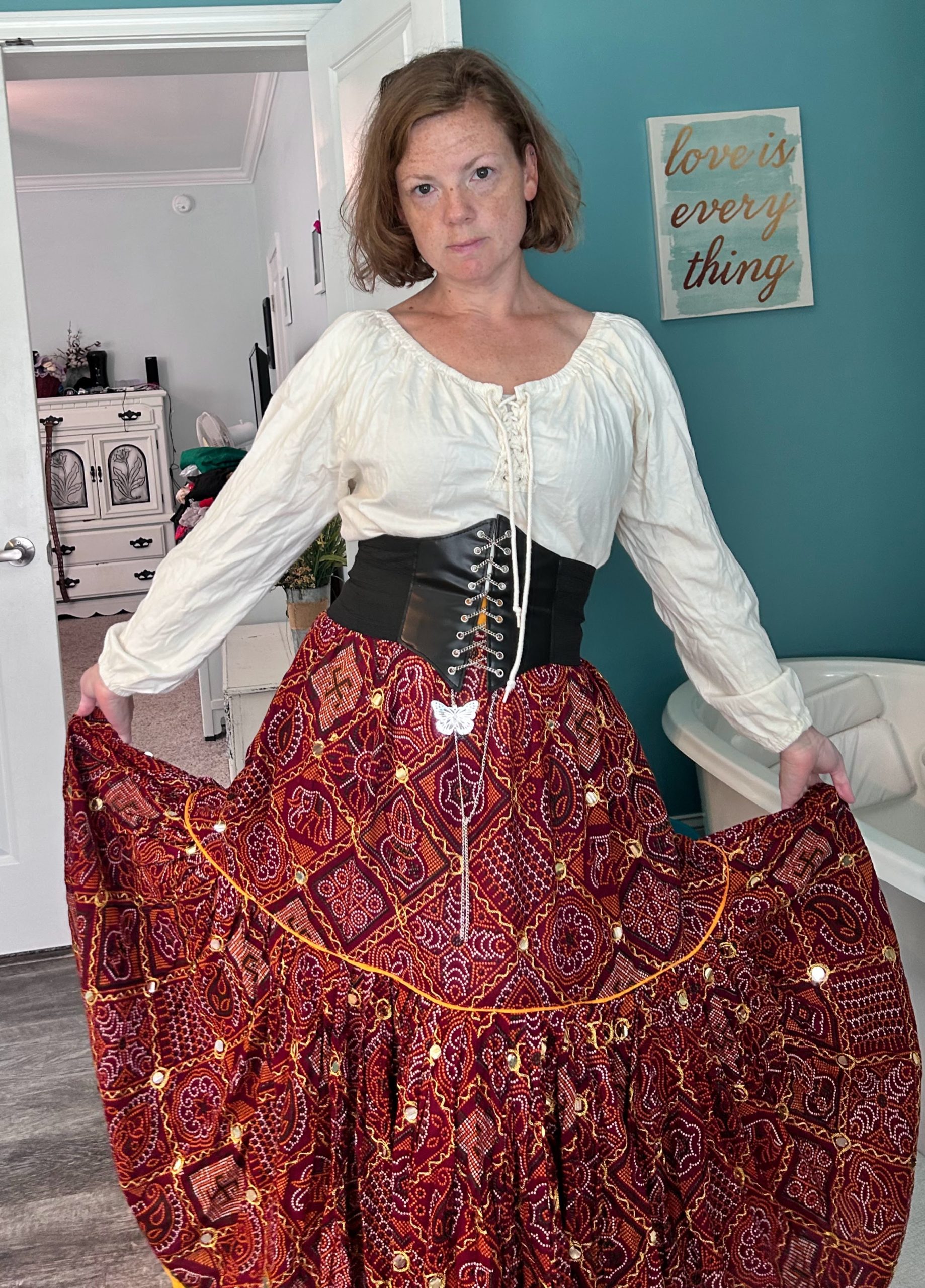
September 21, 2026, excited about fitting in this corset, and playing with fortune teller costume options
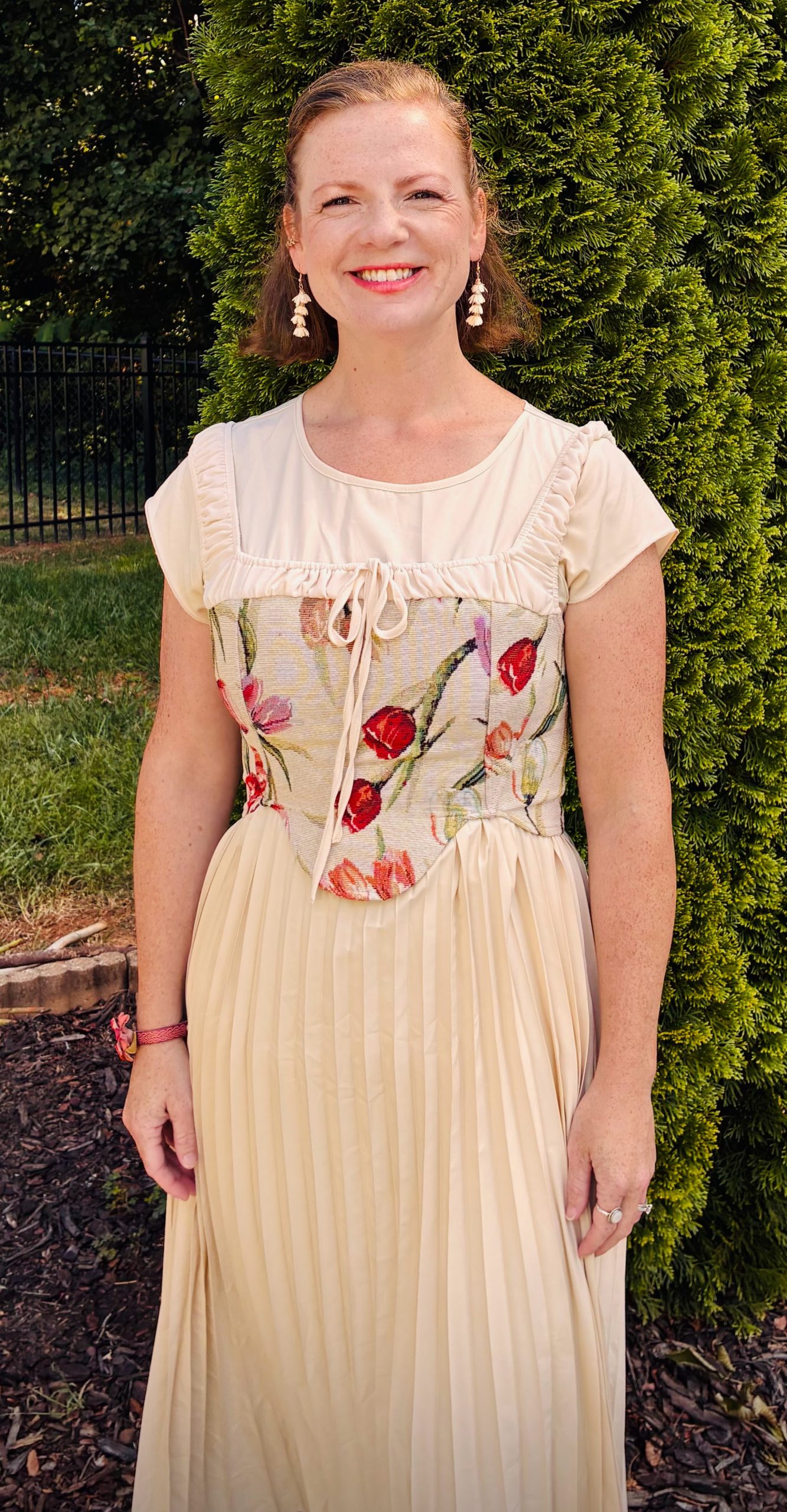
September 27, 2026, so excited about fitting into this corset
Month 12: No weight change
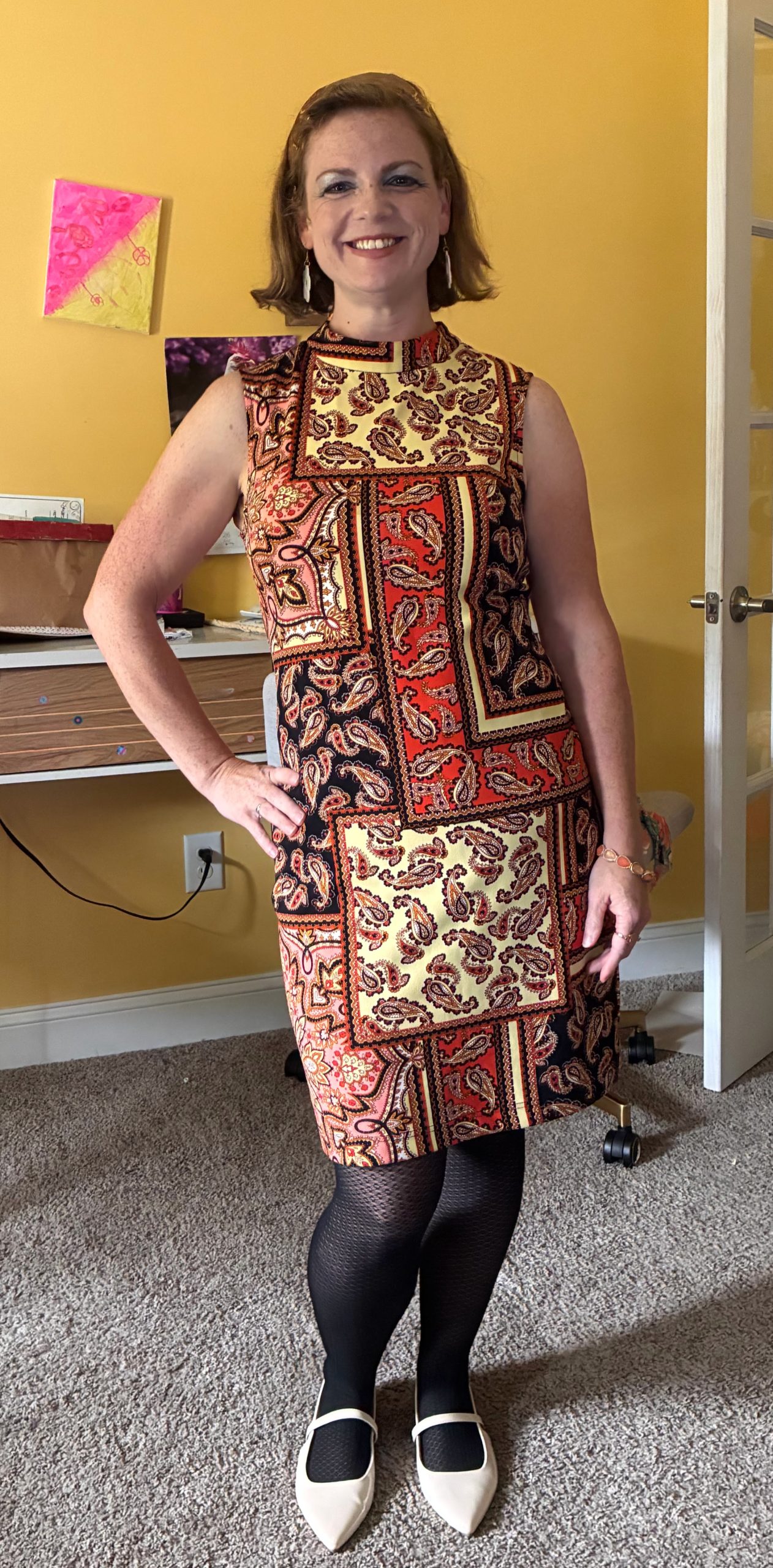
October 9, 2026, ready for singing Scarborough Fair in my 1960s outfit
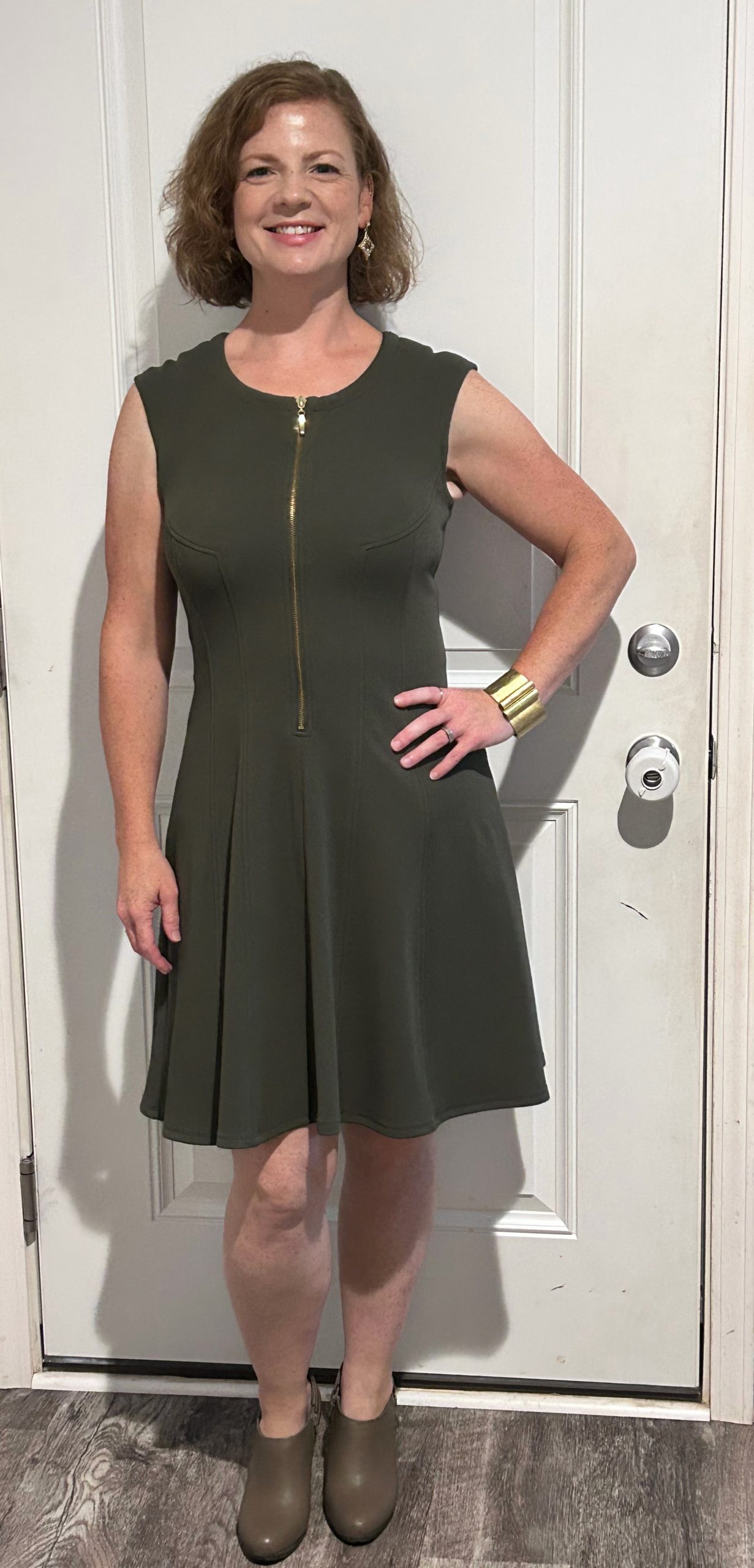
October 11, 2026, feeling gorgeous in a dress I love
The weight I lost from months 9 and 10 has come back, and I haven’t lost anything since, but I also started going to the gym in late August and have been building muscle. A pound of muscle takes up less room than a pound of fat, so that’s why I’m losing inches. Also, the amount of water in my body has increased, which also has weight.
As you can see, though, after the first six months, weight loss stalls quite a bit. Most weight loss happens in the first year, but it can still slowly continue after that. The exact weight amounts are just my experience, but the general timelines are correct. I have actually lost more of my weight than most by this point, but I did start out smaller than most other people. I barely fit the BMI requirements for surgery. The only time I have been consistently the smallest in the room has been at my bariatric appointments, pre and post opp.
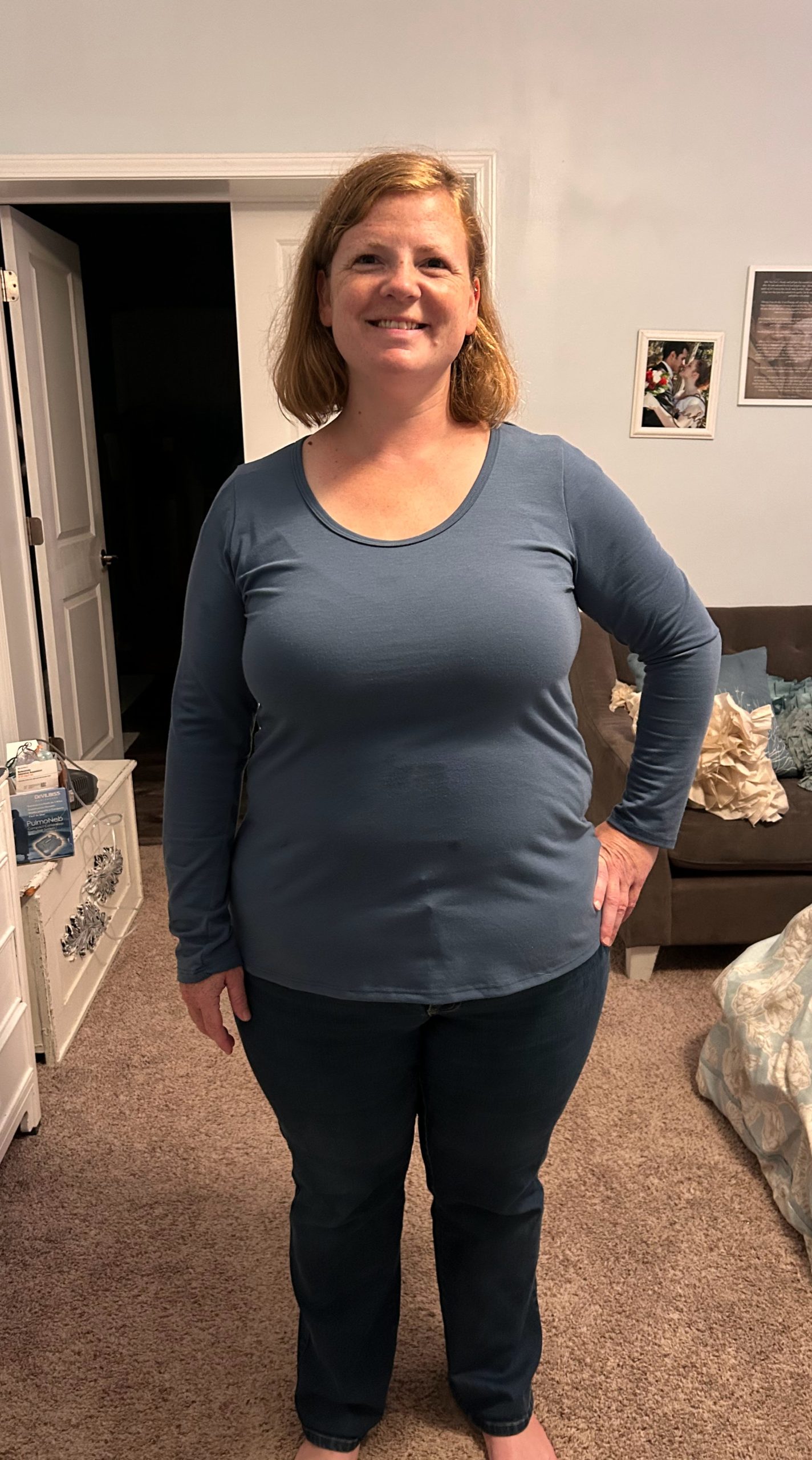
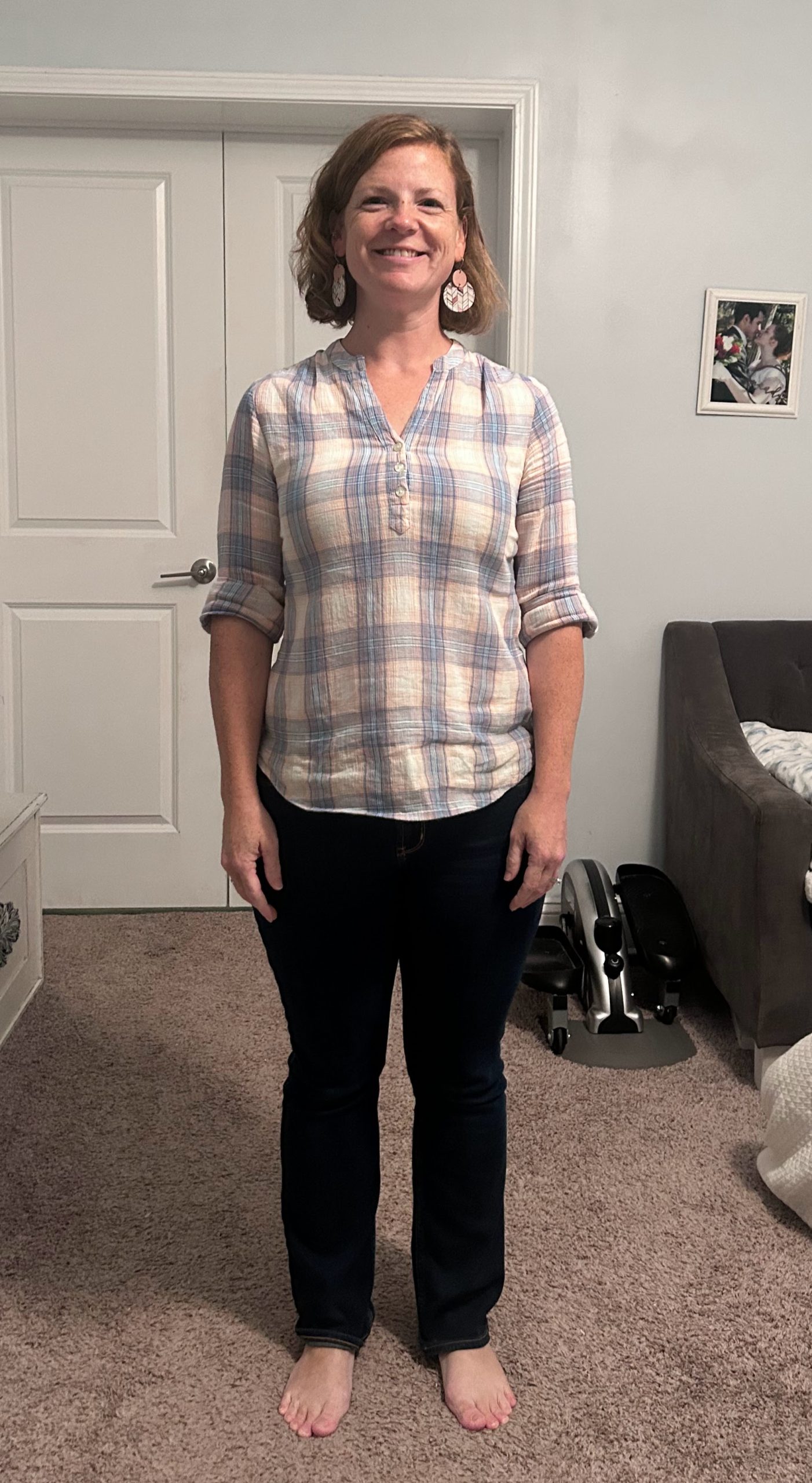
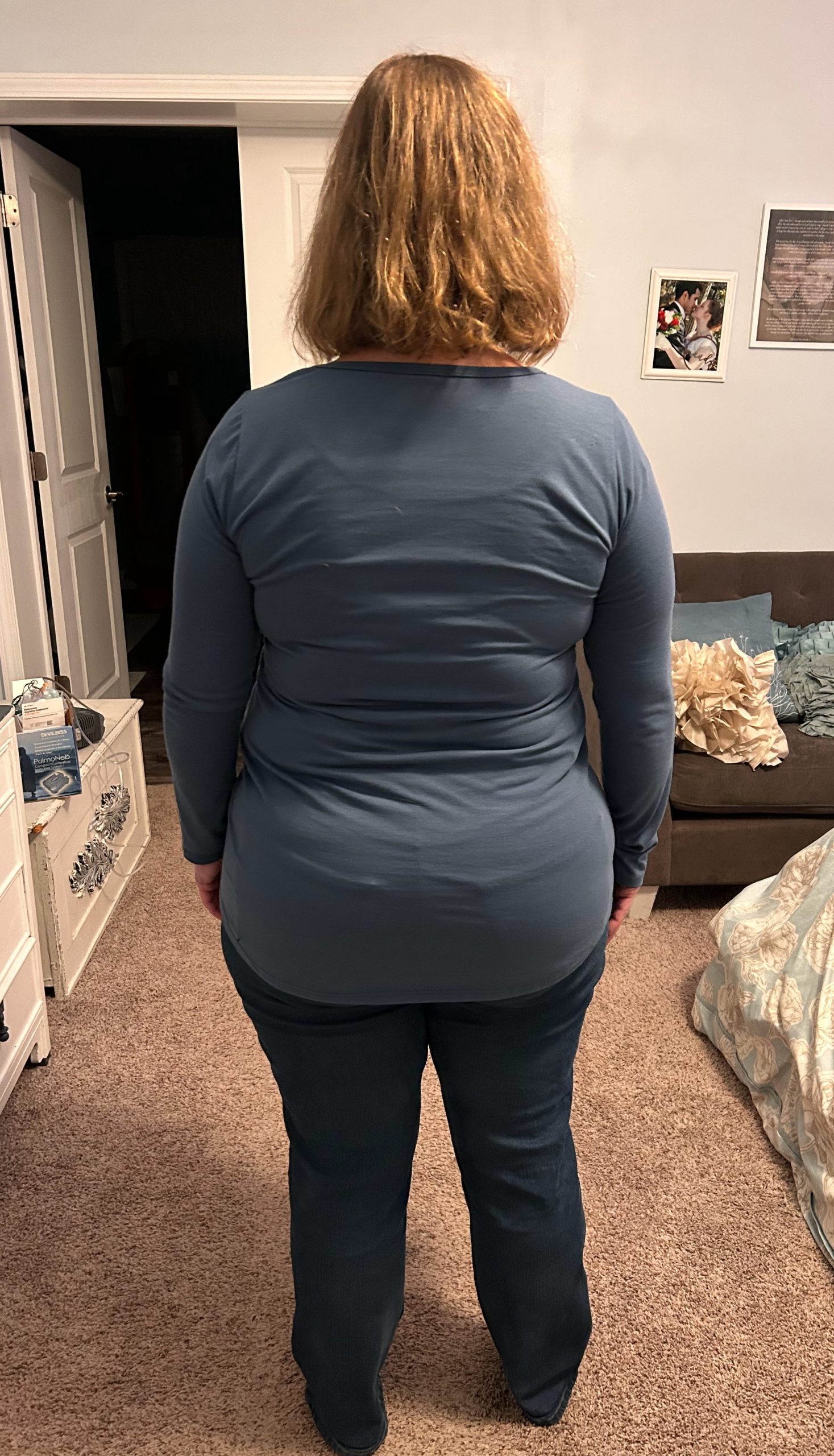
Here are photos of myself October 22, 2025 and October 22, 2026 for comparison.
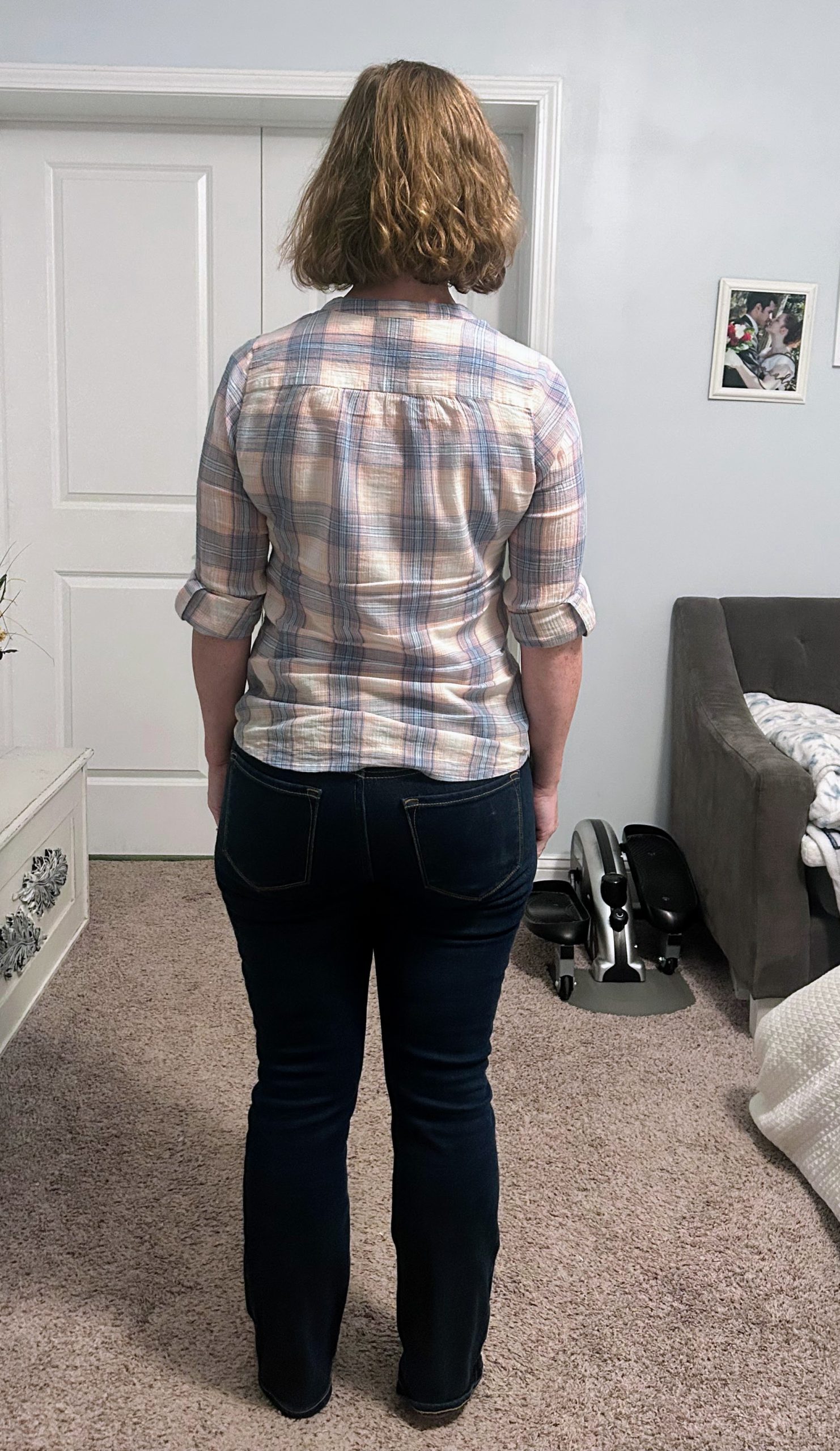
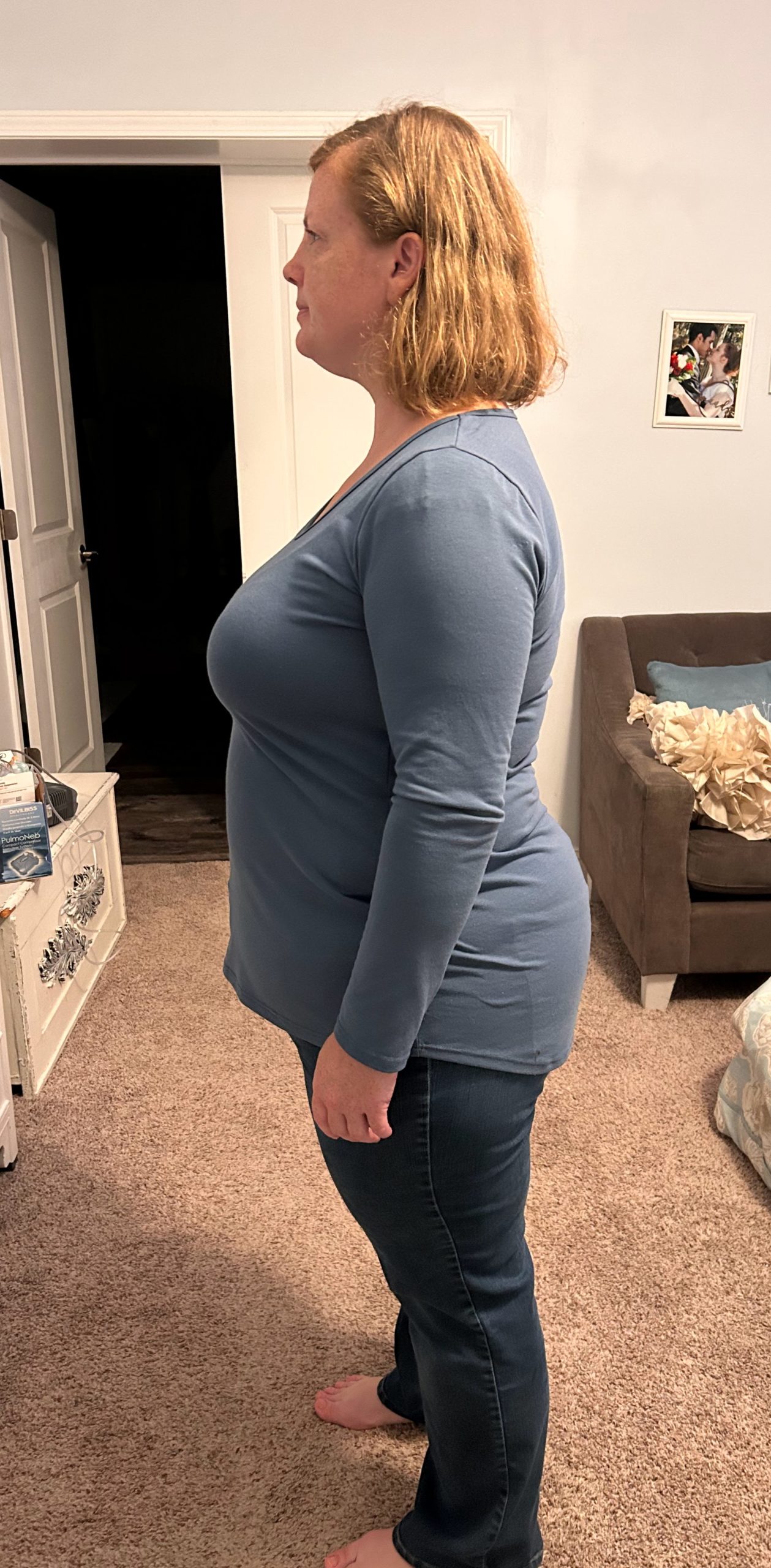
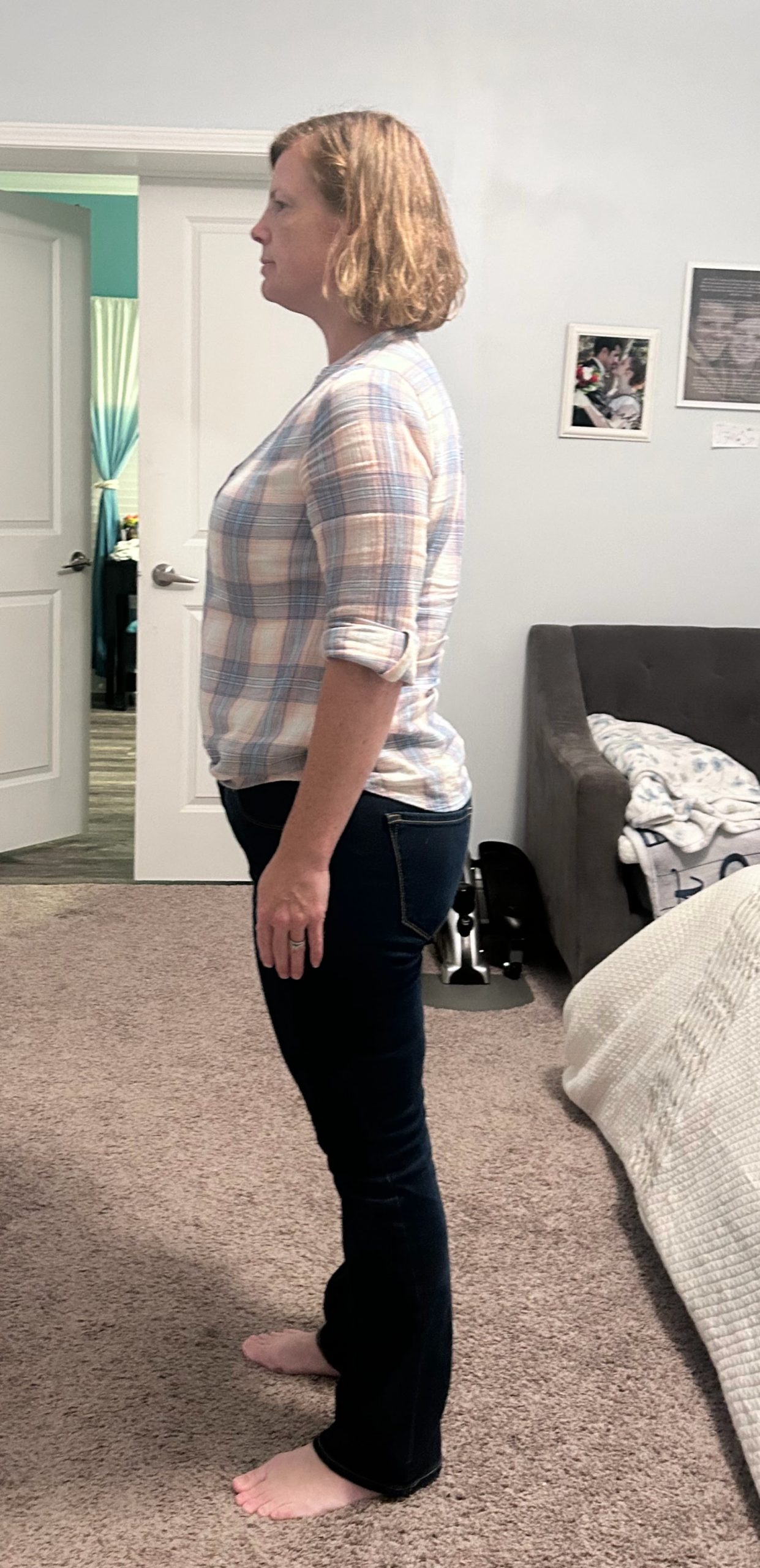
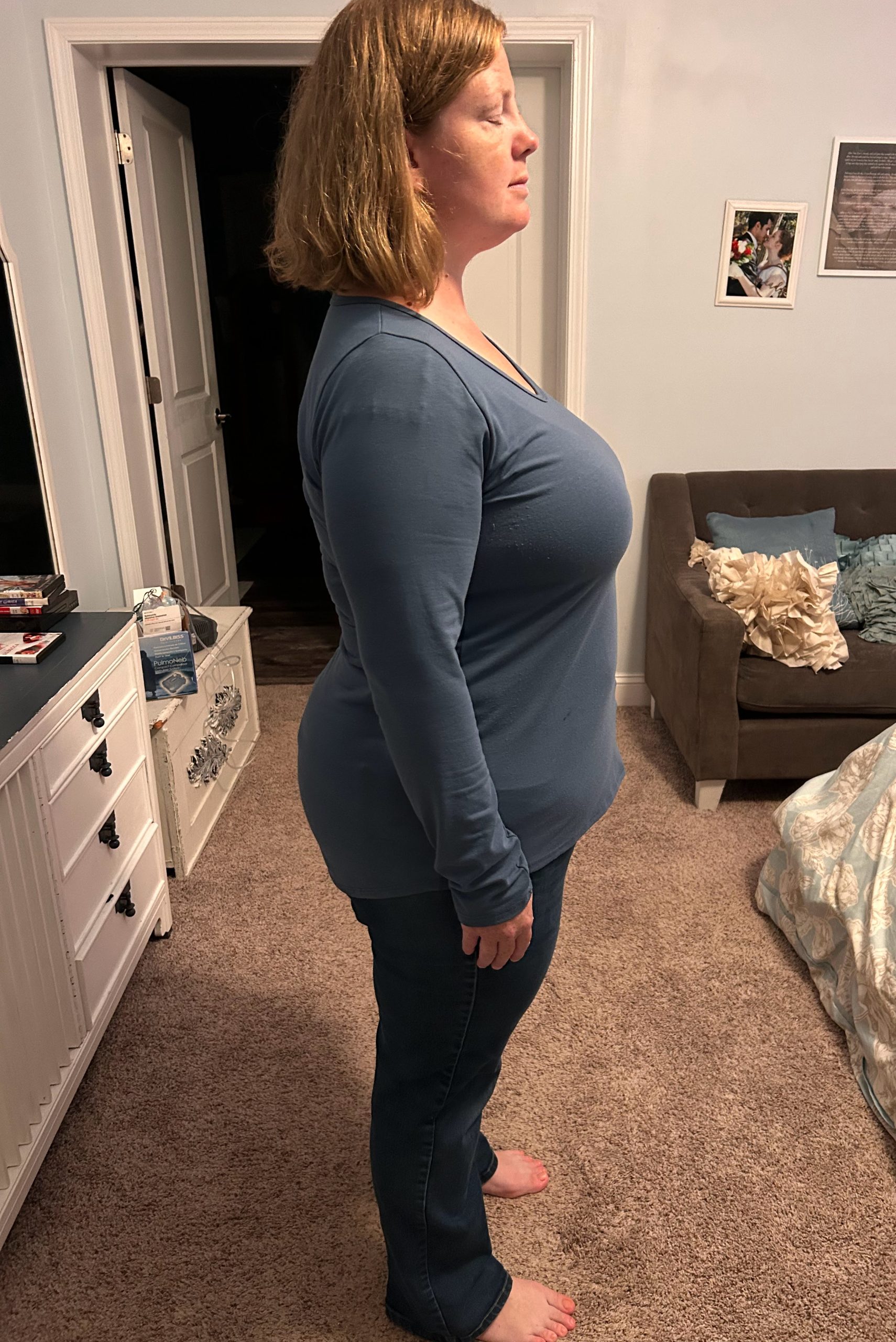
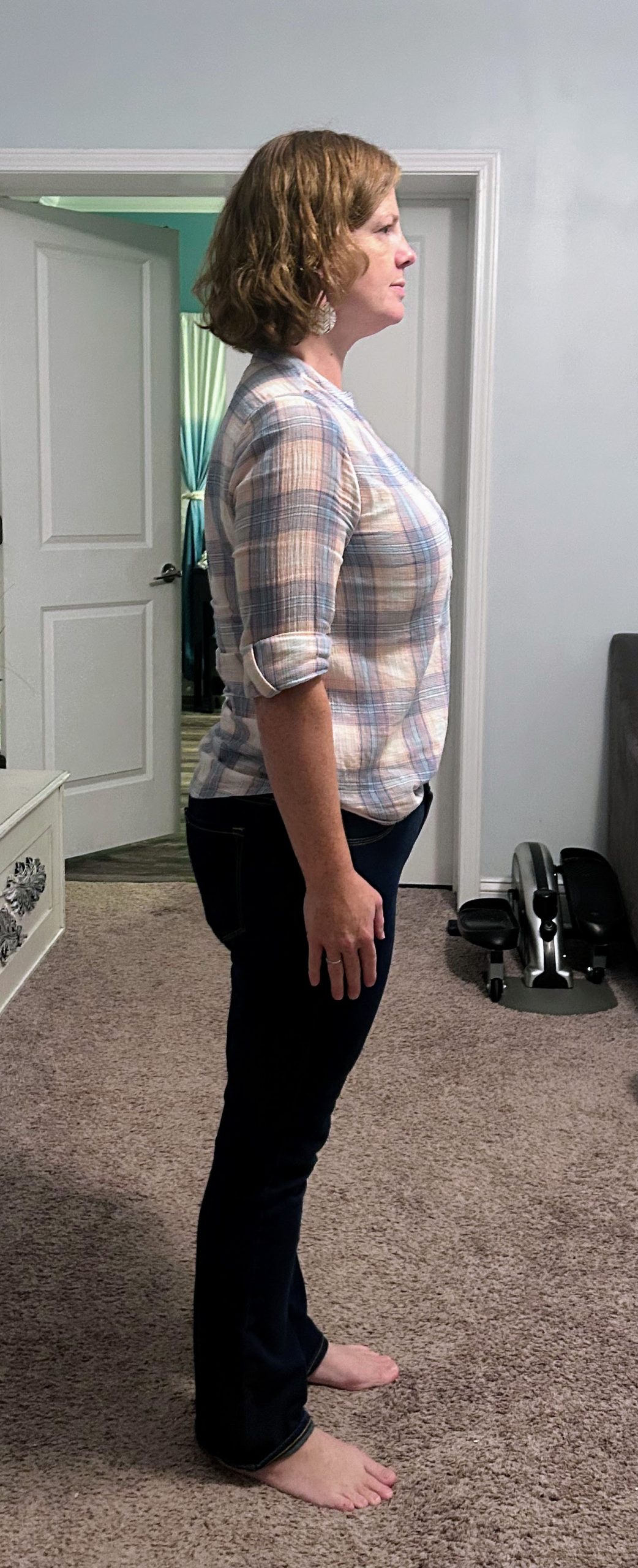
And here are my measurement changes in a year:
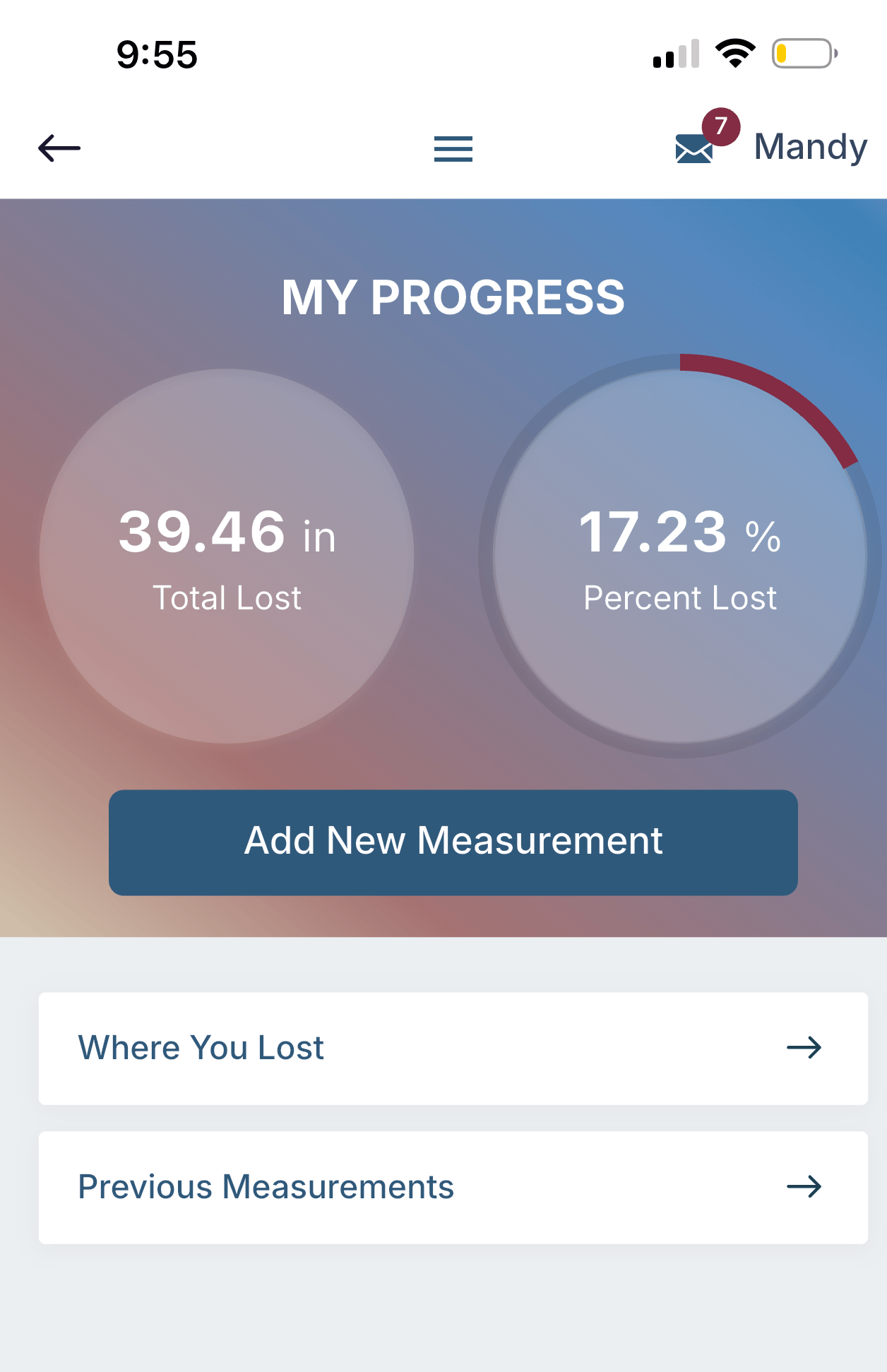
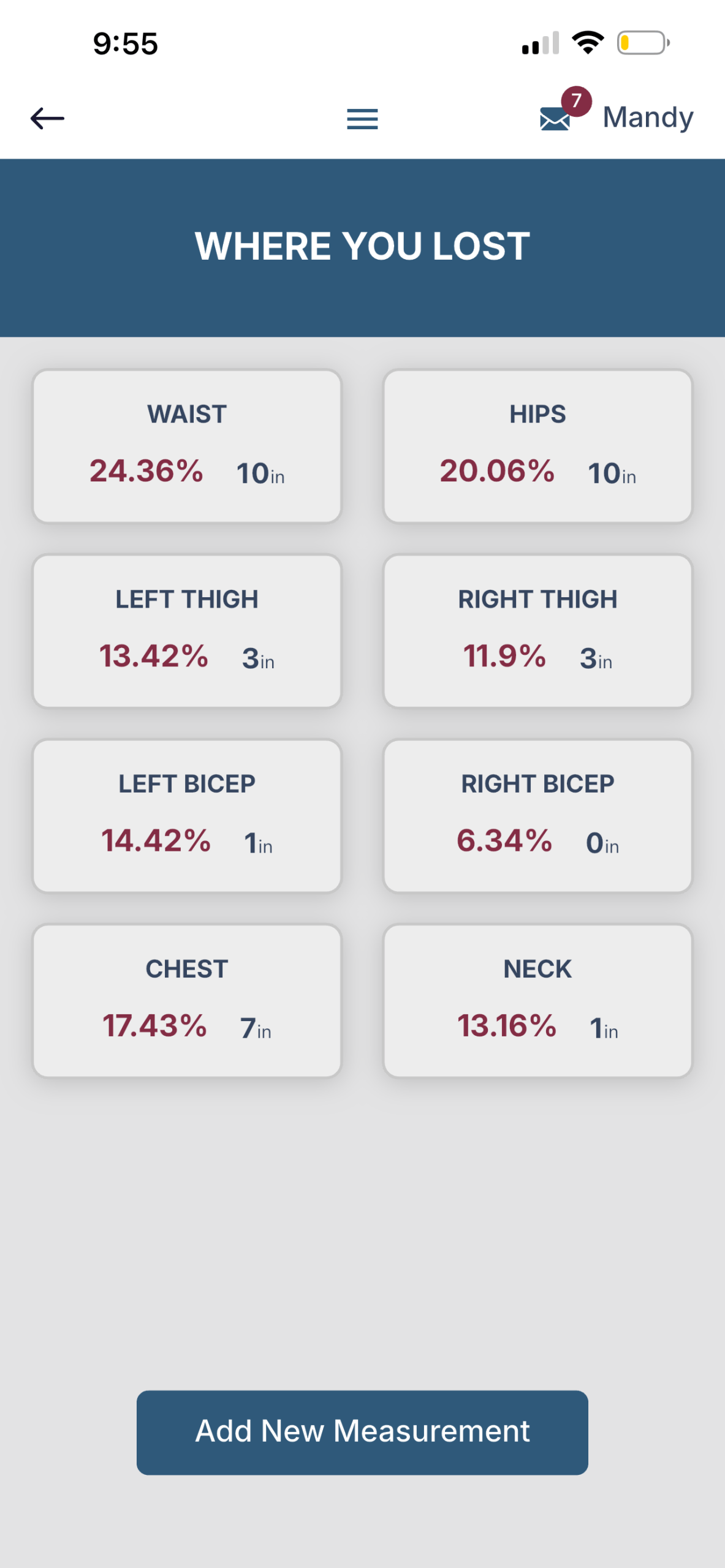
Allow me to answer a few questions you may have:
What have been the benefits of having weight loss surgery other than the obvious?
- I used to have horrible knee pain that I had to take meds for. That pain is nearly gone. I rarely have knee pain.
- I used to have stress incontinence that I was getting therapy for and taking meds for. I no longer have that problem.
- My blood pressure used to be borderline high (I also had preeclampsia with my last two kids). My blood pressure has been so good and I’m so grateful.
- I used to get winded easily, and could barely jog or jump. I felt embarrassed to even try. Now, I have a lot more energy, can walk a lot faster, can jog when I need to, and am just sprightlier in general.
- I do not have to be as picky with what I wear. I look good in so many styles now, where I used to have to wear shirts that were flowy to cover up my fat. I no longer have to do that, and it’s so freeing.
- I have been able to serve others by giving so many clothes away that have gotten too big. I find it fun to try on my clothes every couple of months to see what is now too big so I can give more things away.
- I can cross my legs where I couldn’t comfortably do so for a long time.
- If I go out to eat at a sit-down restaurant, my meal can last me for 2-3 extra meals, so I get a lot more bang for my buck.
- People tell me I look younger and I get a lot of positive compliments.
- I can scoot past people much easier now and I don’t have to worry about fitting into a roller coaster anymore.
Have there been any challenges? Yes.
- Most restaurants don’t have the high-protein, lower calorie options I need so I have to be more choosey. And since I can’t eat a lot, I either have to try to find a healthy kids’ meal (which is hard) or spend a lot of money and then take leftovers home. The leftover thing is a pro and a con!
- People look at me weird for not drinking while I eat. It happens all the time. (Bariatric patients stop drinking 15-30 minutes before eating (depending on where you are in your recovery) and don’t drink again until 30 minutes after eating).
- It’s hard to not eat a meal or snack when everyone around me is. I have had to get used to eating at different times than my family and friends. If at a party or event, I try to take desired foods home with me to eat it later during a meal time if I can’t eat at that moment.
- I have gone through so many clothes as I have lost weight and inches. This is a good thing of course, but it can become a financial burden if not handled right. What I have done is utilize Really Free Markets, Buy Nothing Facebook groups and other free Facebook groups, and shopped at thrift stores in person or online (Depop and Vinted have really cheap listings). It has also been sad to get rid of some of my favorite clothes because they are now too big.
- My feet shrunk half a size, so I had to get rid of some shoes and replace them for being too big. Not a huge issue, but a noticeable, and kind of funny one.
- I have some loose skin, not tons of it, but I do have some in my lower belly and under my arms. Some people have more than others, and plastic surgery may be a needed option later. I don’t think I will need it personally, but those who lose hundreds of pounds most likely would.
- I sometimes miss eating like I used to. I especially miss sitting down with a big bowl of popcorn to watch a movie. What I do now is plan to watch a movie while I am eating a meal so that I can eat some popcorn at the end of my meal. It’s a lot less, of course, but it satisfies.
- Some foods and drinks become intolerable to bariatric patients. I can’t handle drinking soda anymore (you are actually taught in pre-opp classes that you will no longer be able to drink soda after surgery). However, I can handle prebiotic sodas like Poppi, Olipop, or Bloom. I also can’t handle as much frosting or super sweet things, so make sure to be careful there.
- Getting used to that high protein flavor in shakes, bars, and even high protein bread takes time. It’s such an easy way to get your protein in, but it’s not super tasty at first. I have gotten used to it now.
- Most people deal with digestive issues sometimes, like gas, constipation, diarrhea, nausea, vomiting, etc. I don’t deal with much of that, but it can occasionally be an issue.
- Sometimes I still feel fat even though I am smaller than I have been in a very long time.
- People are always telling me how good I look. Though that is appreciated, it sometimes makes me wonder if I am more valuable or interesting because I’m no longer fat. (I don’t say that to make anyone feel bad. I know everyone has good intentions!)
Is there anything surgery doesn’t do for you? Yes.
- It doesn’t automatically make you more confident or feel better about yourself. I feel more comfortable with the way I look, but loving yourself and being comfortable in your own skin is more than just about looks.
Have I learned anything? Yes.
- My worth hasn’t changed. I was always cherished and loved, and my size didn’t affect that in any way.
- My personality and talents are not connected to my weight. I still have both.
- I have known for a long time what it feels like to be the fat person who wishes to be thinner, but now I have learned what it feels like to be a smaller person who feels guilty for being smaller as I hear larger people express remorse over not looking like me or fitting into what they wish they could fit into. I have experienced both ends of it, and both have their challenges.
- Being thinner doesn’t mean you are proud any more than being bigger means you are humble.
- Your healthy and strong relationships don’t improve or lessen based on your weight.
- A lot of thin people have eating habits that would make a fat person fatter or make someone who has lost weight after a huge struggle gain it back. I already knew that internally, but I notice it more now. I see thin people eat huge plates, drink sugary drinks, eat dessert, all the while taking large bites and not chewing enough but it doesn’t affect them negatively. It sure used to affect me and others like me and would again if I did it. This observation has helped validate what I have always known: some of us just have it harder with weight, while others have it much easier. It’s not just about habits or lack thereof, even if that is one factor.
I do eat sweets and carbs now, but I never start with that. I also never snack. I am not losing hardly any weight anymore, but I am still losing inches, and that’s even with incorporating sweets and bread into my diet. Because I had the gastric sleeve, those things don’t make me feel sick as long as I don’t overdo it.
Would I do the surgery again? Yes!
It has changed my life for the better in so many ways. It hasn’t made my life perfect and there are still challenges, but it was worth it.
Is surgery the easy way out? No!
Surgery is a tool to help you lose the weight that you couldn’t lose on your own, no matter how hard you tried. But, it isn’t the easy way out because it takes real discipline and lifestyle change, as well as sacrifices. You will no longer be like everybody else with the freedoms to eat what, when, and where you want to.
People do sometimes gain weight back after weight loss surgery. These are things that bariatric patients are taught to do, that if continued, will help keep that weight off:
- Continue to use smaller utensils and plates
- Continue to eat high protein and start with protein when you eat. Try to get
- Here is a tip I have seen to help you calculate if a food is actually high protein: add a 0 to the amount of protein per serving. If that amount is equal to or more than the calories per serving, it’s high protein. For example, if the amount of protein in a food is 20 grams but it’s 300 calories per serving, that’s not high protein.
- The best foods to get high protein from are meat, dairy (such as Greek yogurt or cheese), and eggs. Protein bars and shakes that are high in protein and low in sugar and calories are also good choices.
- Continue to refrain from grazing and only eating every 3-4 hours.
- Continue to limit your intake of fatty, fried, sugary, and empty calorie foods.
- Stop eating when satisfied rather than getting full or overly full. It’s okay to not eat everything on your plate. Wrap it up for later.
- Hydrate as much as you can, especially with water. Be careful of sugary drinks, caffeine, and alcohol.
- Exercise regularly, such as strength training, cardio, and walking.
- Do your best to get enough sleep.
*Note: Sometimes people stop following these habits due to mental health concerns, like depression. If this happens to you, please don’t feel guilty or like there is no hope. There is always help and hope.
Should you get weight loss surgery? That’s up to you and your doctor.
I don’t believe it’s anything to fear or dread. The care team at the weight loss clinic and surgery center that you choose will prepare you so well and will be there for you after your surgery and for the rest of your life to help you with nutrition, dealing with side effects, etc. They give you more information and guides than you think you need and will make sure you are healthy enough to get surgery. They will help you choose which one works best for you. My advice would be to attend a meeting and learn more about it. Then go from there. It’s nothing to be ashamed of at all.
I hope my story and experiences help someone. I hope nobody reads this and thinks that I am vain or overly obsessed with my looks. I’m not. I spend most days wearing comfy clothes and no makeup. I like to look pretty at church or on special occasions, but looking good all the time is too much pressure. I really just enjoy being healthier and more energetic.
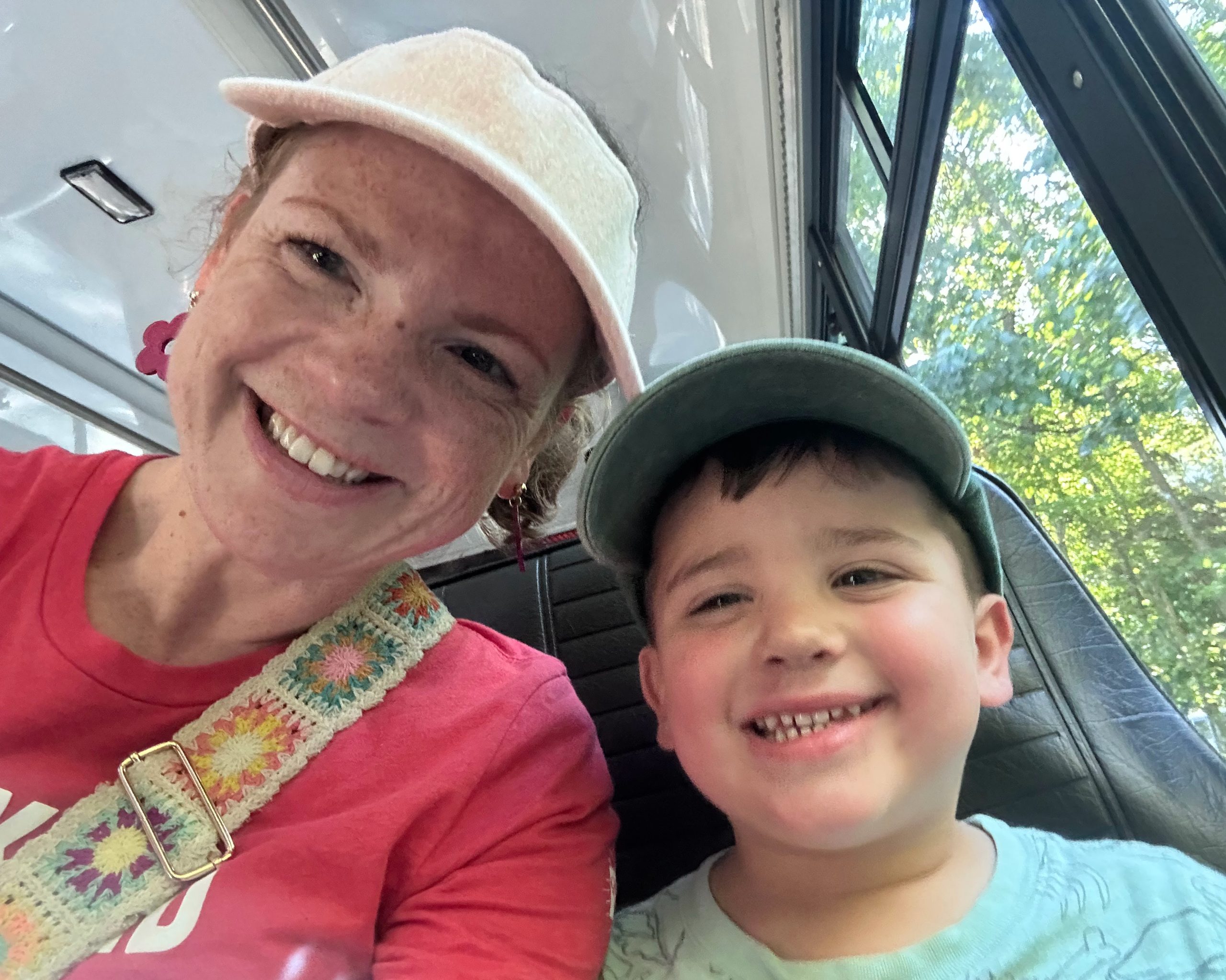
October 2, 2026 at the zoo with my family
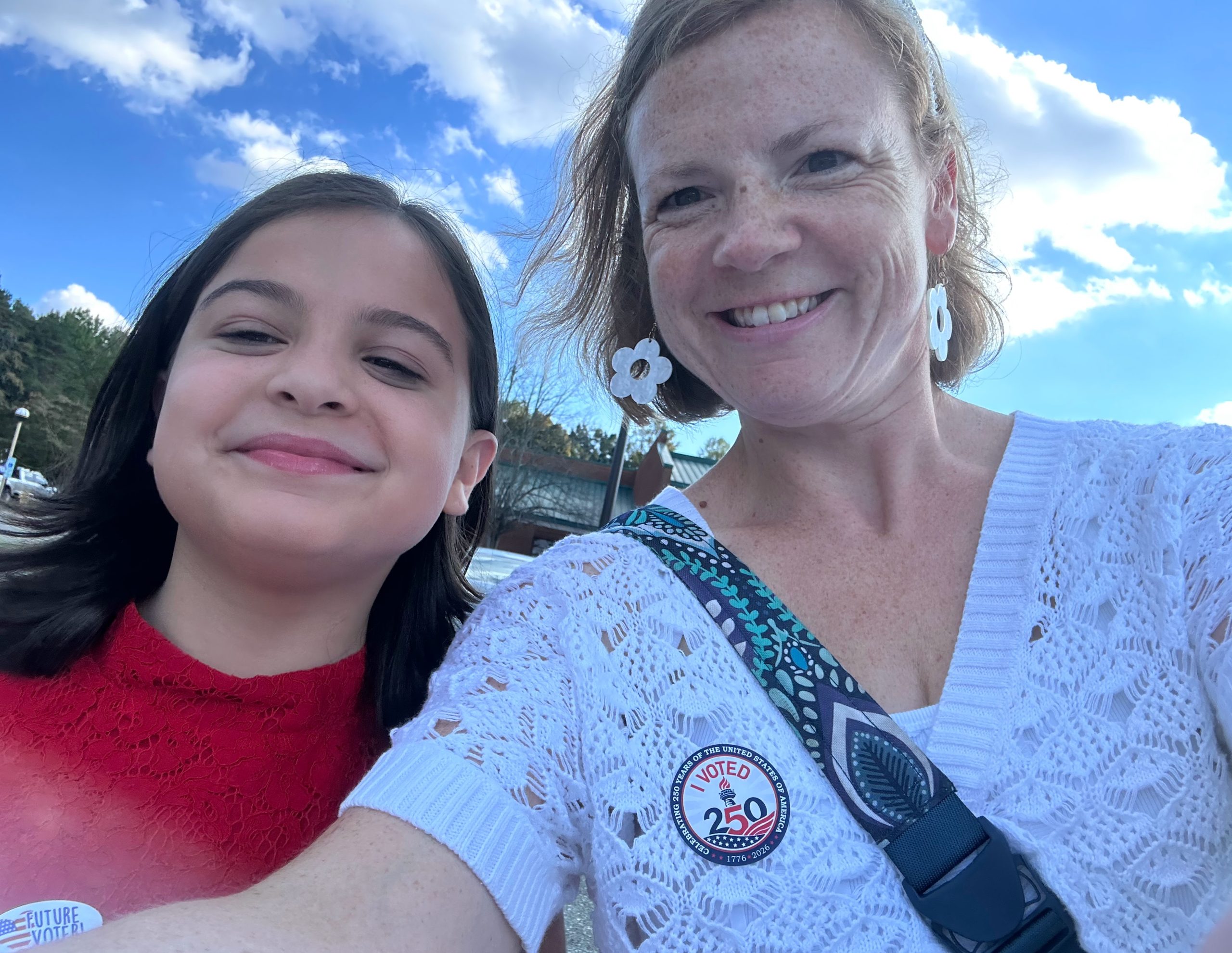
October 15, 2026, voting
If you are thinking about weight loss surgery and have questions about my experience, please feel free to contact me. I’m happy to help. Best wishes to all on their health journeys, whatever they may be!
